As the chairman of the District 14 Republican Central Committee, I am in the unique position of having both co-chairs of the Joint Finance-Appropriations Committee (JFAC) representing my district. As a result, town hall meetings in our district have attracted outsized attention from citizens concerned about the budget cuts that have dominated this legislative session.
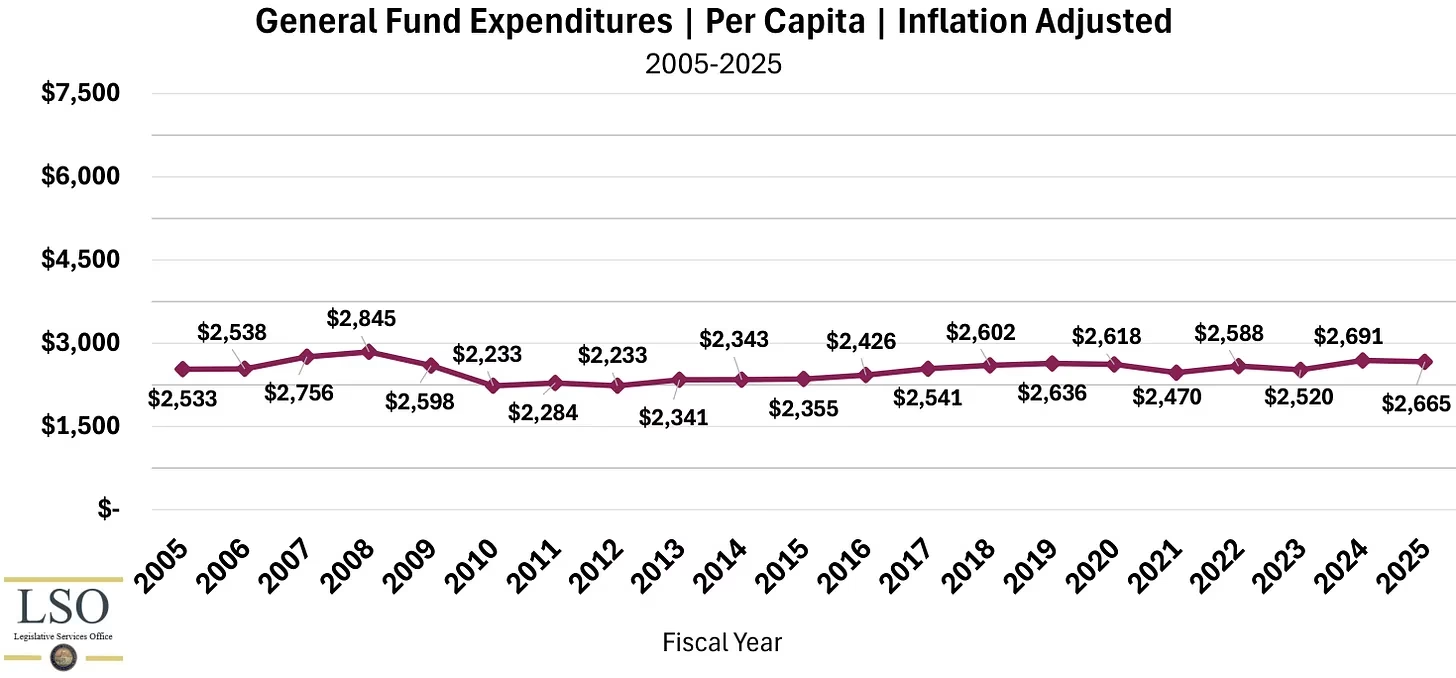
Prior to last month’s town hall in Emmett, local Democrats circulated a call for attendance along with a sheet of talking points and suggested questions. One of their talking points claimed that state spending, when adjusted for inflation and population growth, was essentially flat. This was intended to counter conservative claims that spending has significantly increased over the past five to ten years.
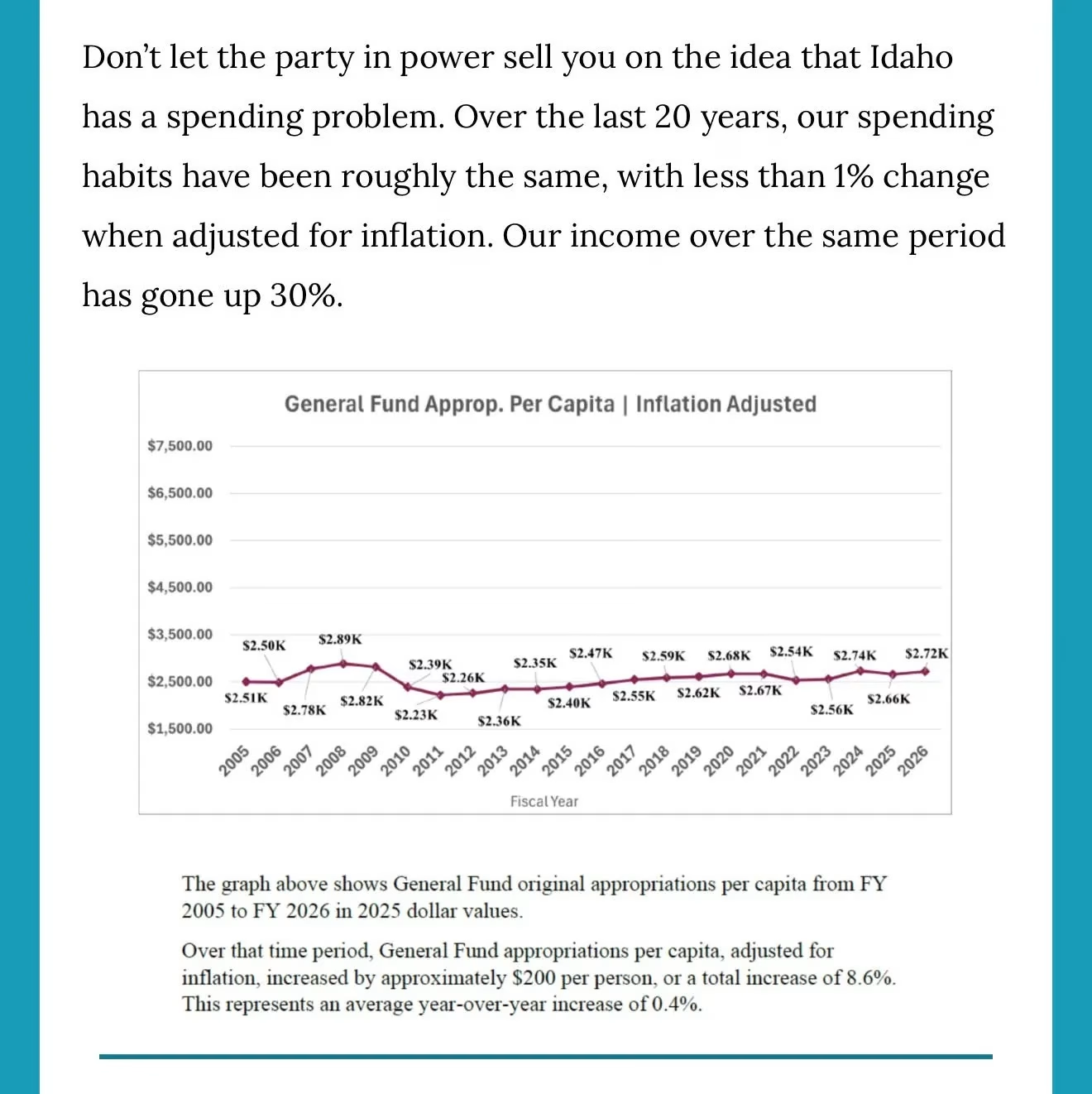
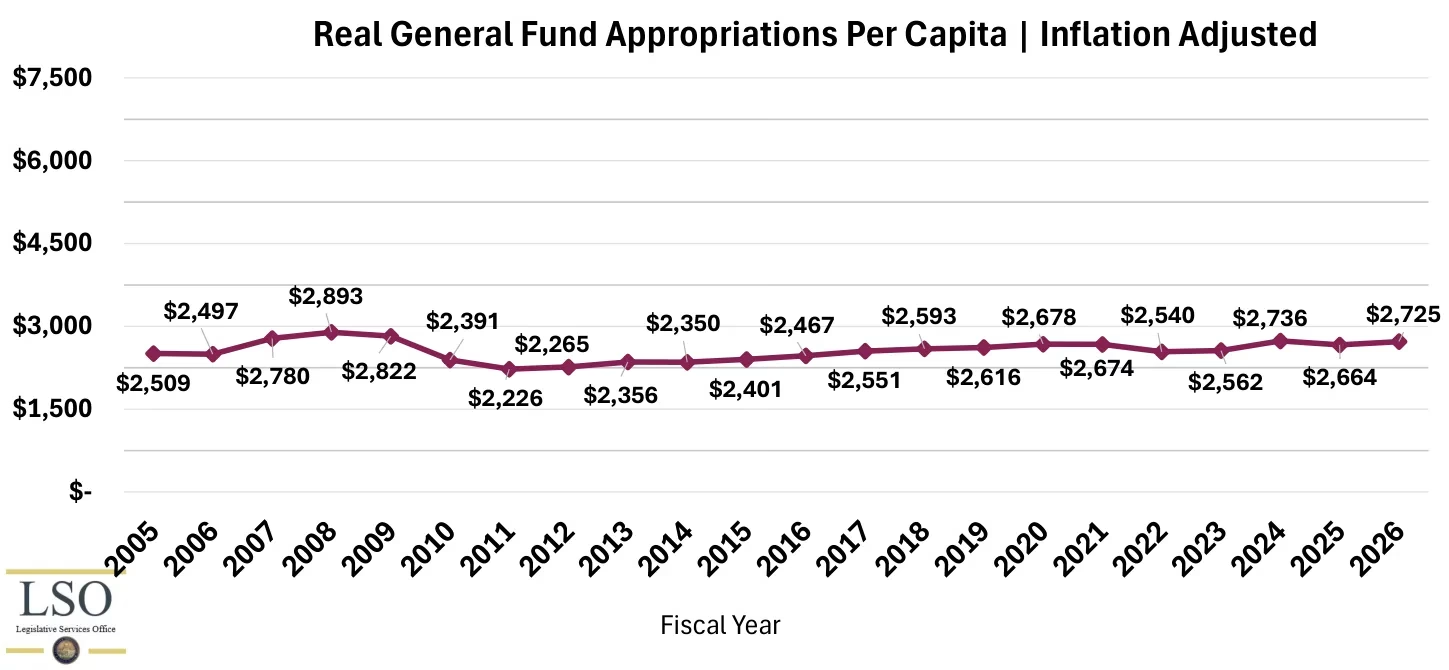
Several legislators, including a few Republicans, made similar claims during debate on the Rescissions Act last week. The sheet is correct that the graph came from the Legislative Services Office (LSO). However, it does not tell the whole story.
Prior to this session, LSO prepared a per capita report for JFAC presenting various spending metrics that account for both inflation and population growth. You can see the graph that Democrats disseminated near the top, showing both appropriations (money budgeted by JFAC and the Legislature) and expenditures (the actual money spent):
However, recall that the general fund is just one of three major sources of government spending. The Legislative Budget Book includes a pie chart showing the proportion of general funds compared with dedicated funds and federal money.
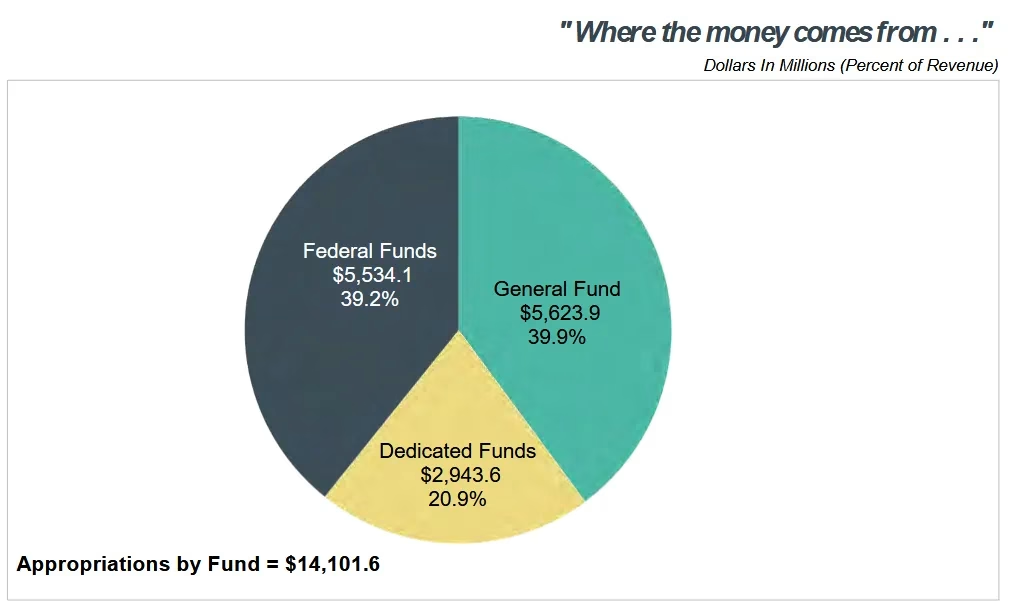
Focusing solely on the general fund hides the full picture of what our government is doing with our money. Dedicated funds typically consist of fees paid for specific services, such as fishing and hunting licenses. These have increased over the past two decades, outpacing inflation and population growth.
Consider these graphs from the same LSO document showing appropriations and expenditures from both the general and dedicated funds, adjusted for inflation and population growth.
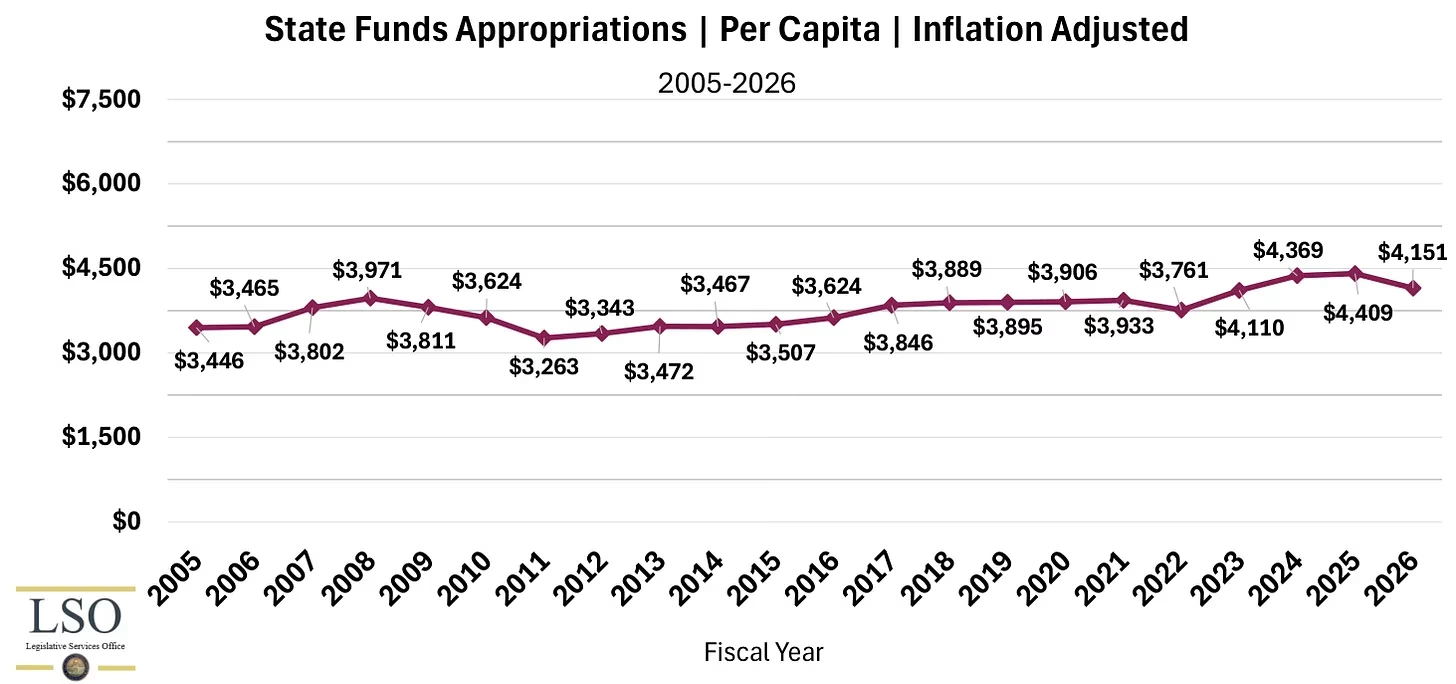
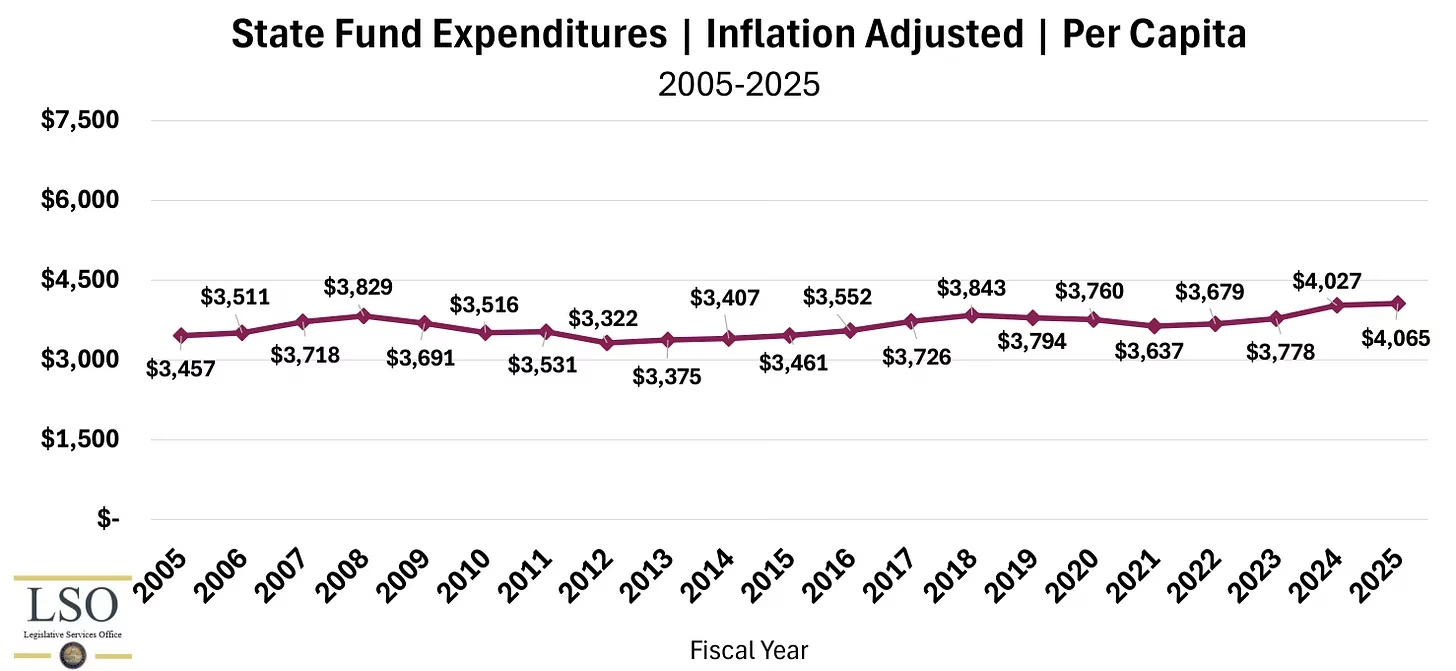
Notice that the line is no longer flat. Contrary to the claims of Democrats (and a few Republicans), spending has indeed increased, particularly over the past five years. Our state government is spending roughly $600 more per year for every man, woman, and child than it was a decade ago.
The increase becomes even clearer when federal funds are included. While Idaho has long appropriated federal money, the flow of federal dollars surged during Covid, bringing a massive infusion of federal tax funds. These grants were intended for one-time projects, but in many cases they were used for ongoing spending. That created a need for state funding once the federal grants ran out.
You can see the Covid spike in the following graphs, which show appropriations and expenditures across all funds:
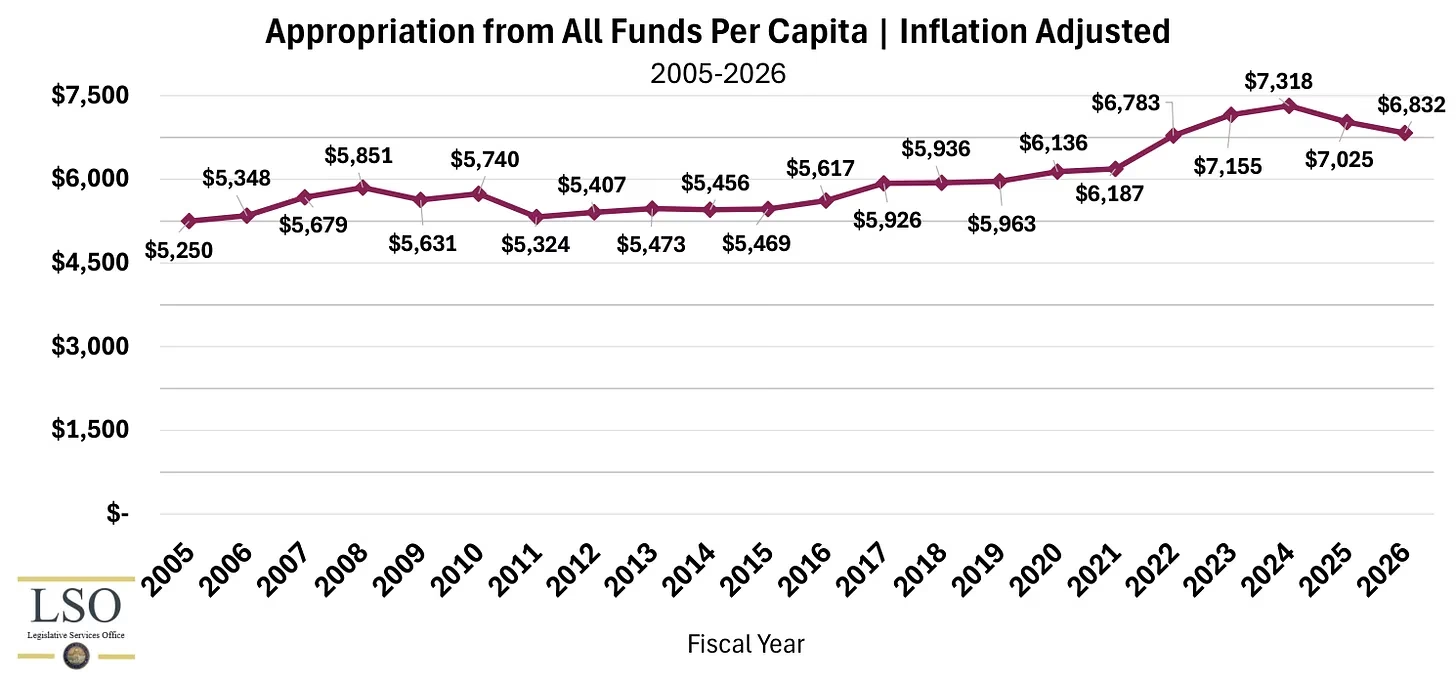
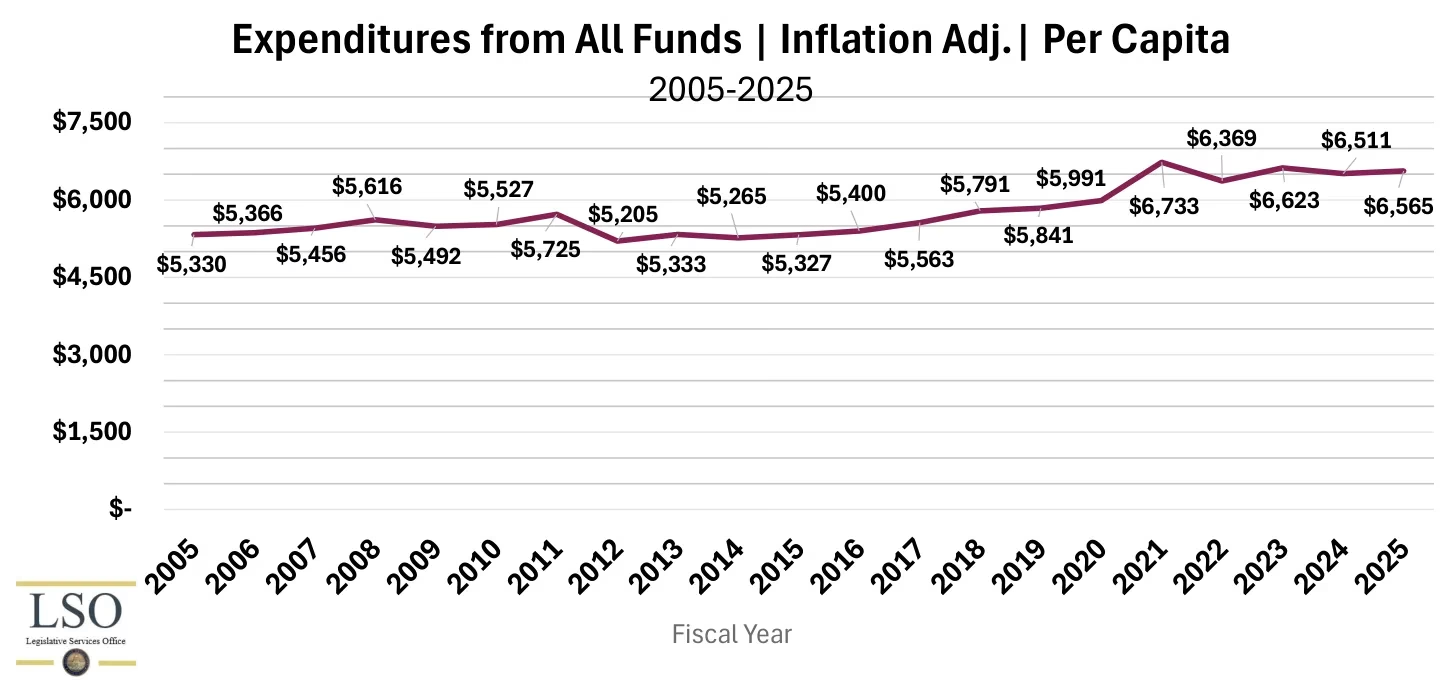
As you can see, while it’s true that total state spending has increased nearly 100% in the past six years, that statistic misses some important context—namely inflation and population growth. Idaho’s population grew from under 1.8 million residents in 2020 to nearly 2.1 million today. That growth not only increased state tax revenues, but also increased demand for government services. (Whether government should be providing those services is another discussion.)
However, presenting only the mostly flat general fund graph misses important context as well. Federal grants and dedicated funds are still drawn from citizens’ pocketbooks, so shifting appropriations from the general fund to these sources does not make the spending free. Many federal grants also require state matching funds. Consider Medicaid expansion: although the federal government pays 90% of benefits, any increase in spending still requires additional state funding.
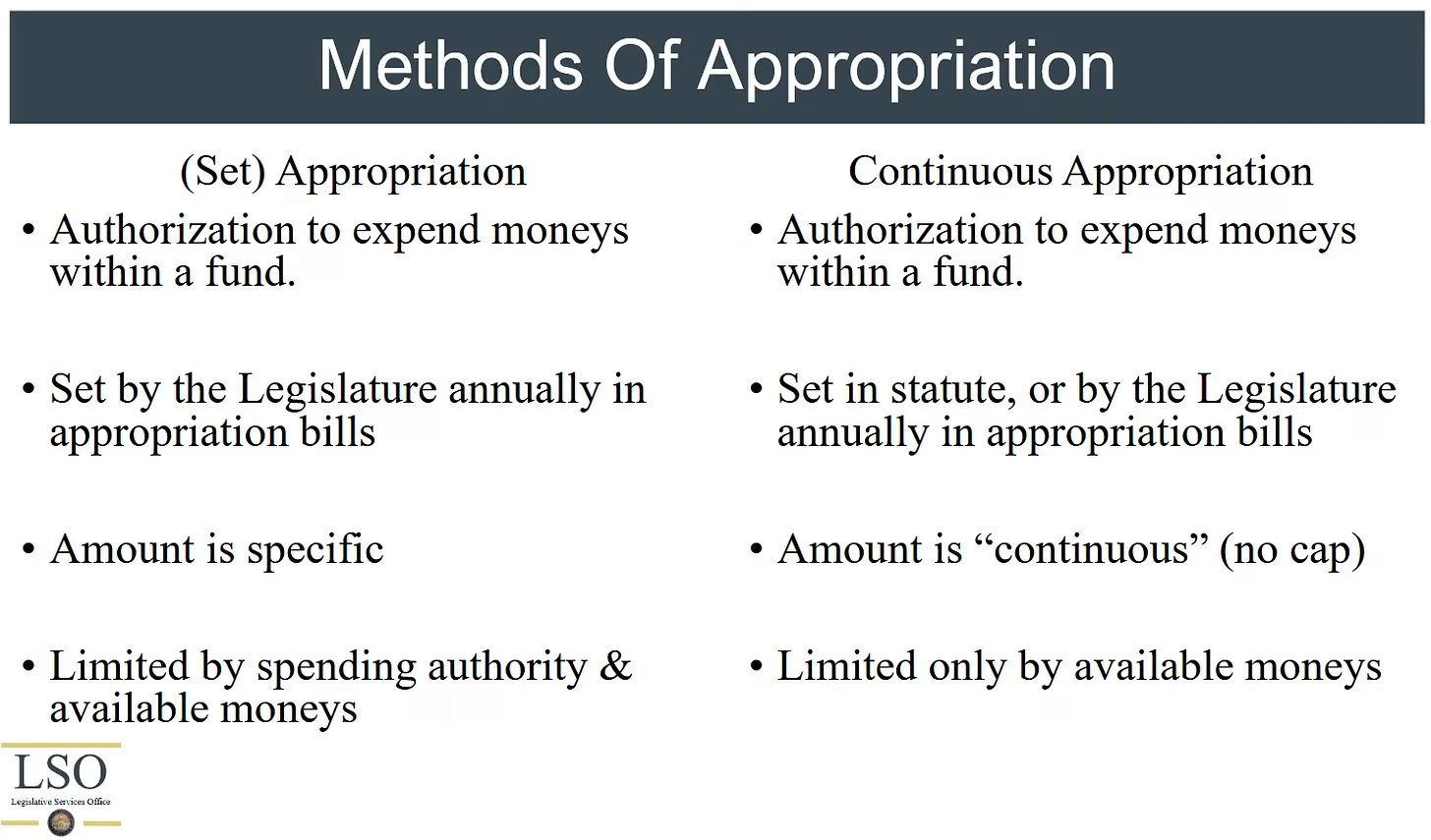
There is another factor as well: the growing use of continuous appropriations. These represent funds that are not appropriated annually through JFAC and the Legislature, but instead are automatically passed through without the same level of legislative review.
Fred Birnbaum of the Idaho Freedom Foundation wrote about this process and how Lava Hot Springs effectively disappeared from the state budget:
The Idaho government spends millions of dollars every year on maintaining Lava Hot Springs, but the money for it doesn’t appear anywhere in the Legislative Budget Book. Its operating budget, along with many other expenditures, has been questionably classified as a continuous appropriation, removing it from regular legislative review.
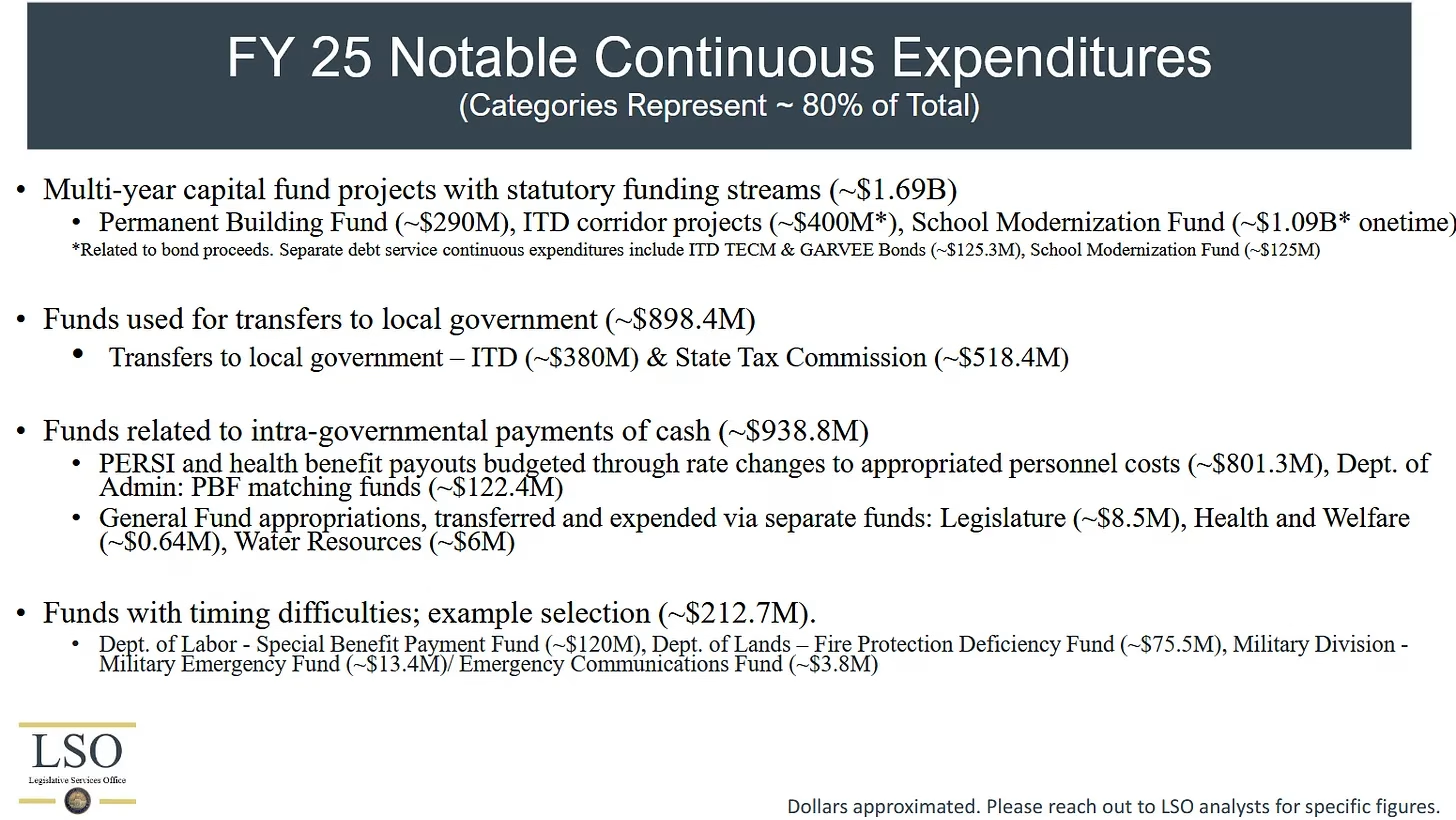
According to an LSO report presented to JFAC last fall, total continuous appropriations amounted to more than $4.6 billion. The presentation went into further detail about how continuous appropriations work:
The presentation also listed several notable continuous appropriations:
When continuous appropriations are included, the budget pie chart looks very different:
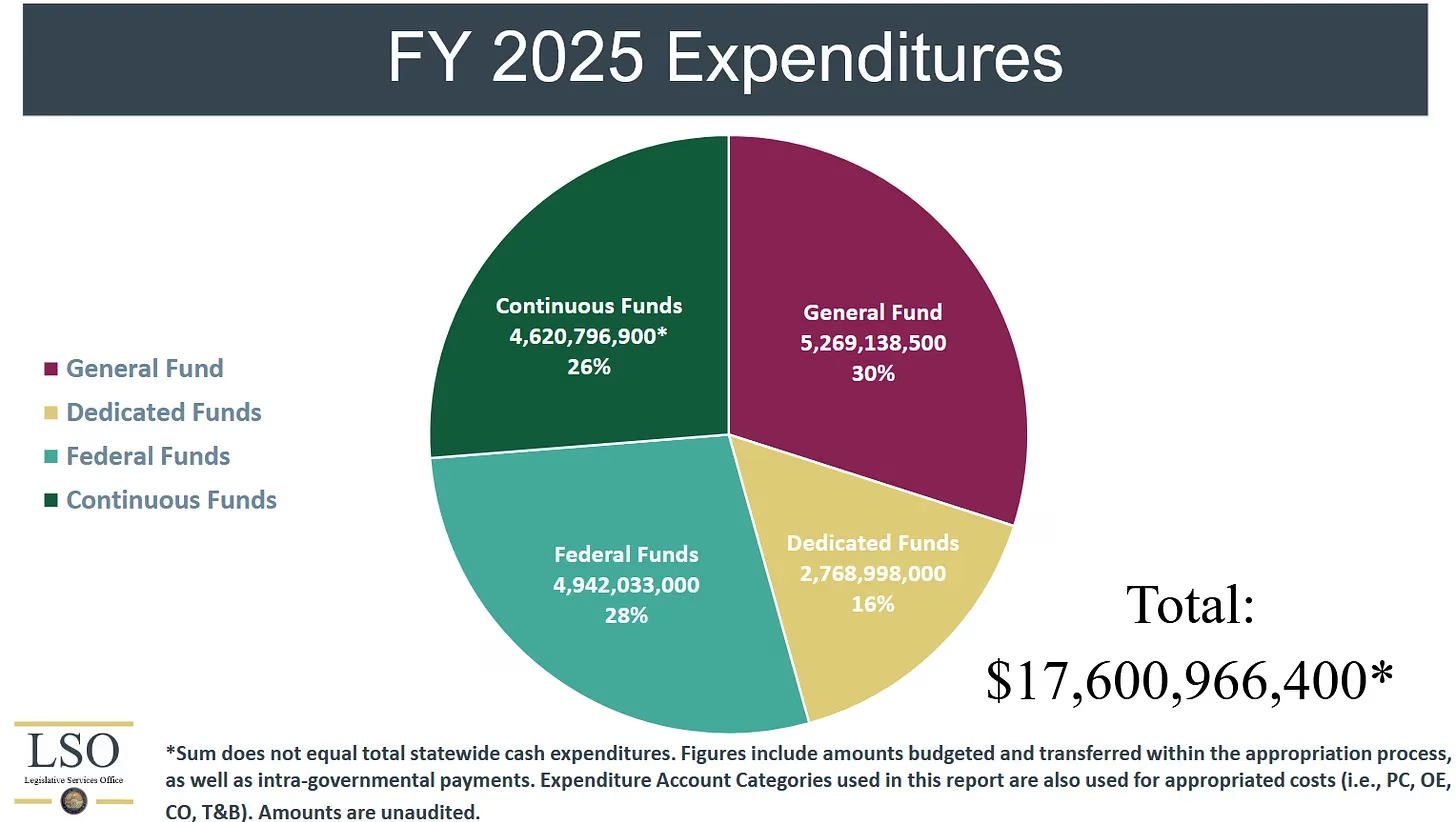
As you can see, the general fund graph alone does not tell the full story of what our state government spends. Both citizens and legislators need the full context in order to understand the budget.
We the people have delegated authority to the Legislature to take a portion of our money—earned through our own labor—to achieve certain limited goals. Our elected representatives are tasked with overseeing the state budget, and they must take all of these factors into account when making decisions on our behalf.
The Gem State Chronicle delivers daily analysis, op-eds, press releases, and Idaho Insider updates — free to your inbox.
Free newsletter · Unsubscribe anytime · View on Substack

About Brian Almon
Brian Almon is the Editor of the Gem State Chronicle. He also serves as Chairman of the District 14 Republican Party and is a trustee of the Eagle Public Library Board. He lives with his wife and six children in Eagle.