By Savanna DeHay
Intro
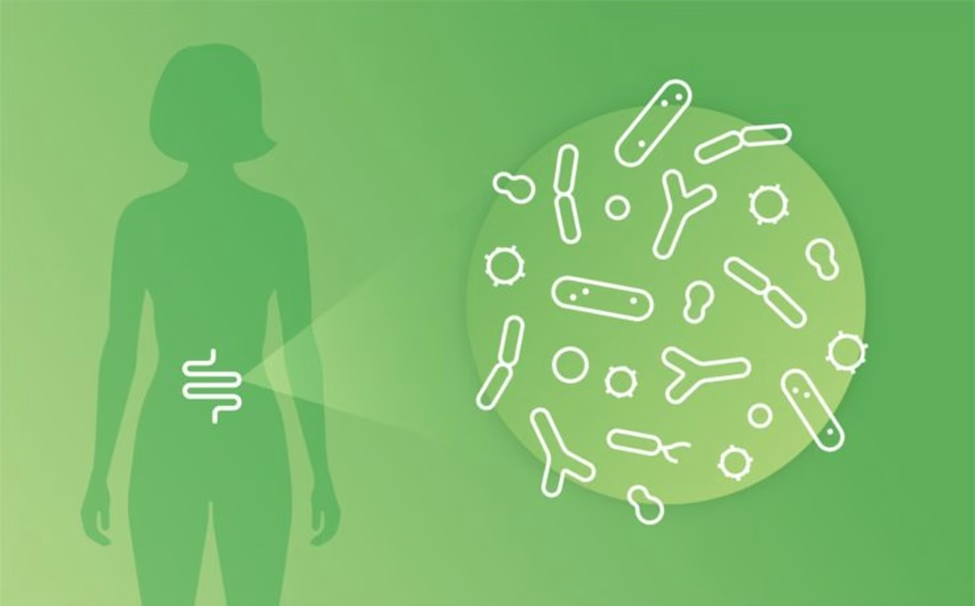
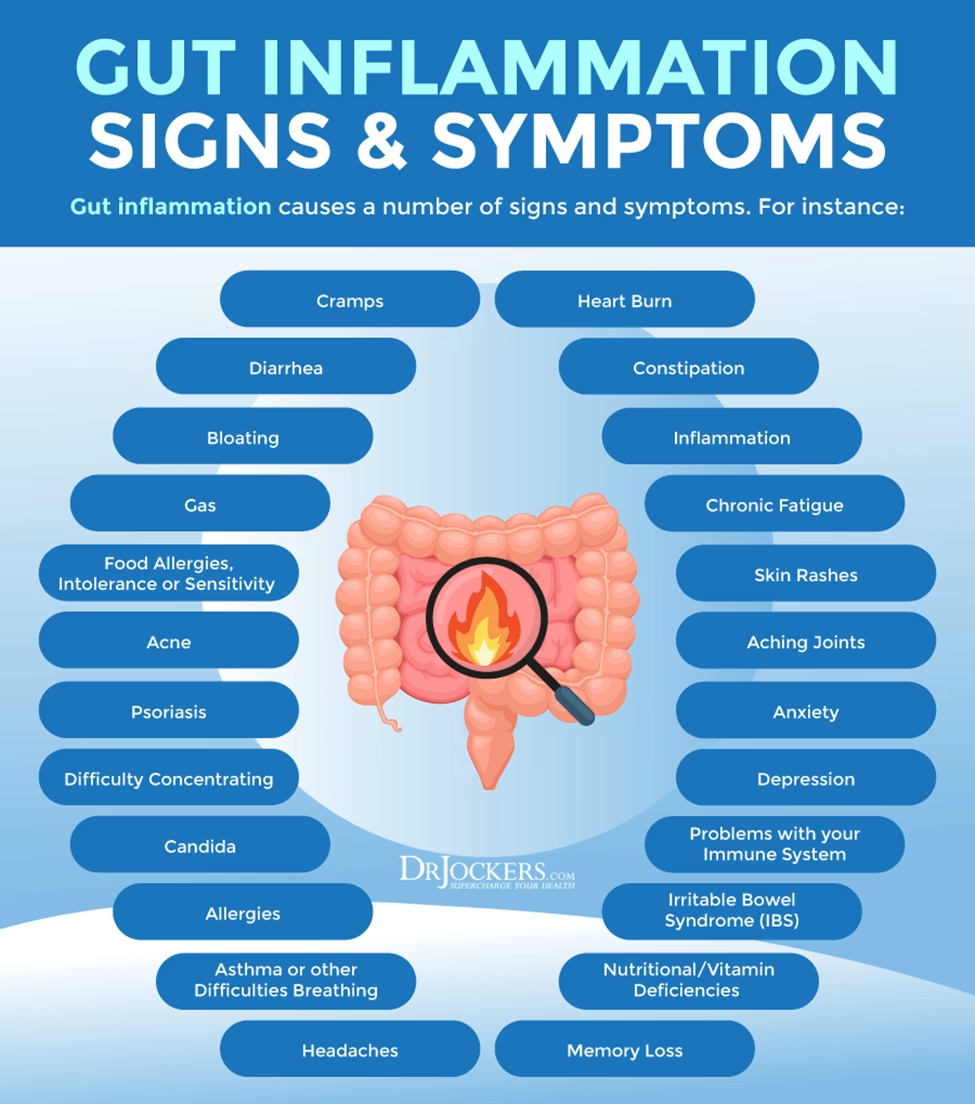
Many health issues originate from an unhealthy gut microbiome. Bloating after meals, skin issues, allergies, even depression are just a few ways poor gut health can manifest in our lives. Our gut essentially “sets the tone” of our health and wellbeing. That’s why consuming probiotics is one of the best things that can be done for your health. Probiotics are the key to fueling healthy gut bacteria, and starving the bad bacteria. Be amazed at how big of an impact these tiny microorganisms have!
What are Probiotics?
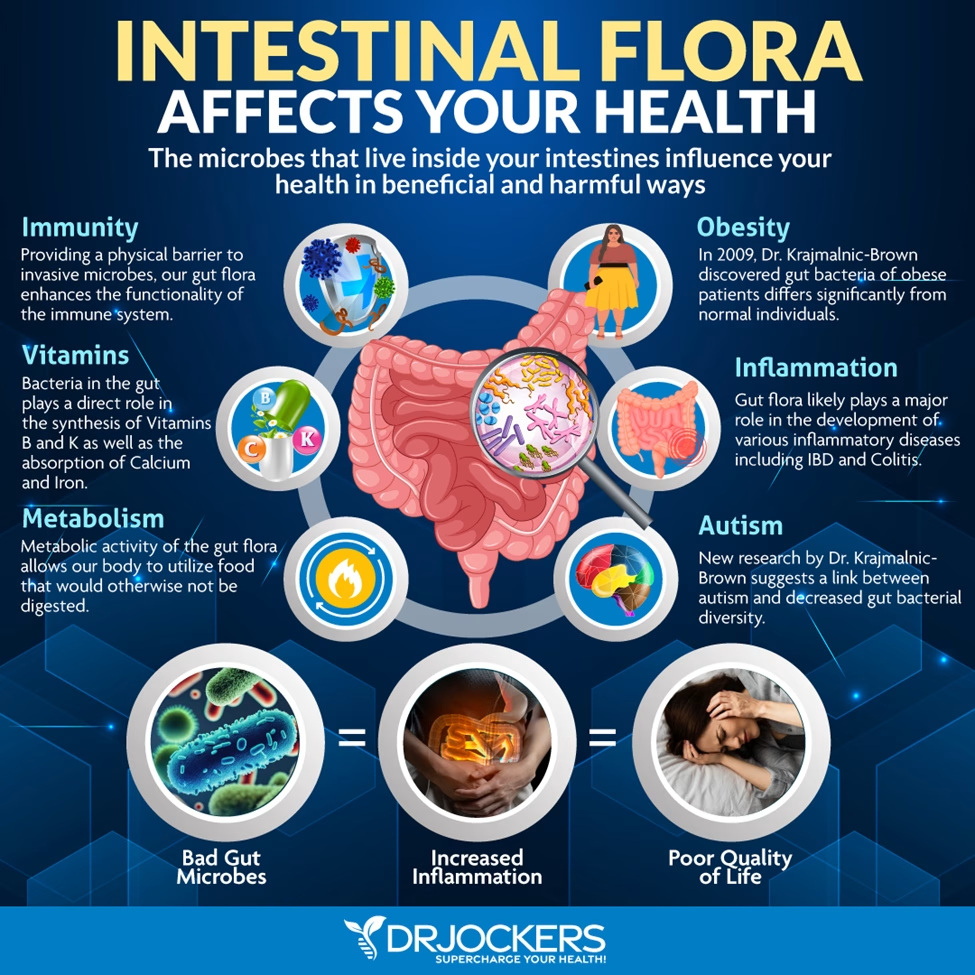
According to Dr. David Jockers, DNM, DC, MS, probiotics “are beneficial microorganisms (bacteria, parasites[,] and fungal yeasts) that keep your gut and body healthy,” (Dr. Jockers). We often think of microorganisms as bad, dirty, or disease-causing. However, our bodies are filled with tens of trillions of microorganisms that protect us from toxins. 70-80% of immune cells live in the gut, which is why probiotics are an excellent way to boost immunity (Wiertsema, et. al.). We are actually born with probiotics. Babies absorb the live bacteria from his or her mother when exiting the birth canal (Dr. Axe).
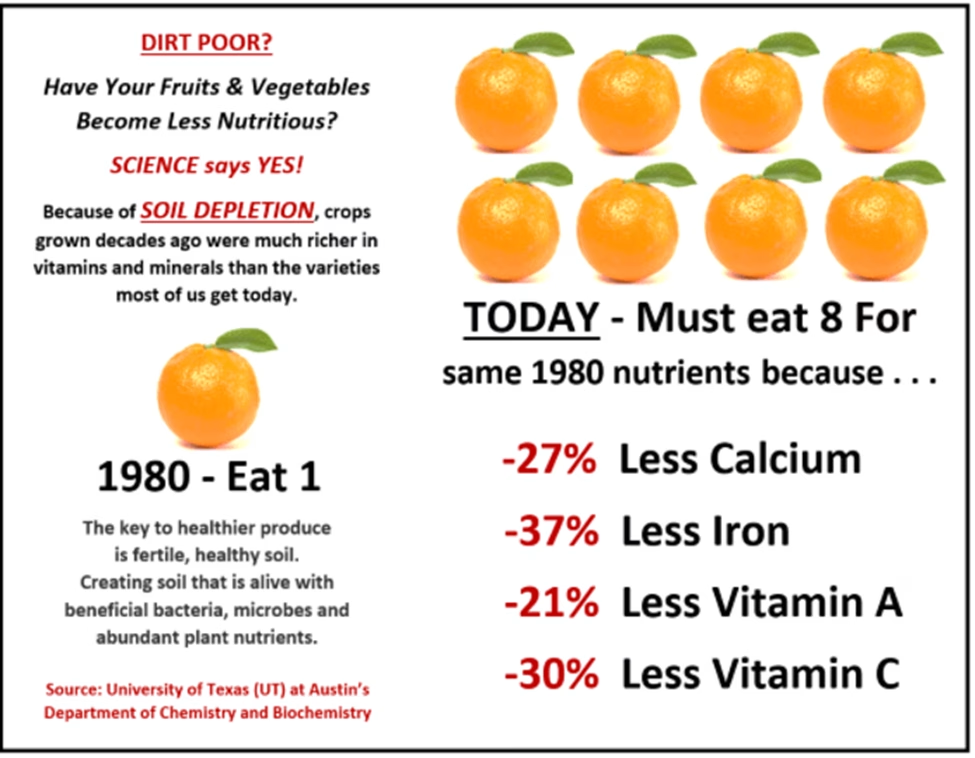
Healthy digestion, immunity, nutrient absorption, and nervous system function are all reliant on having trillions of diverse probiotics in the gut. And because today’s crops are less nutrient-dense than those prior to the 21st century, our need for probiotics has only increased.
Benefits of Probiotics
Perhaps the most notable benefit of probiotics is improved digestive health. Bloating, motility issues, irritable bowel syndrome (IBS), small intestinal bacterial overgrowth (SIBO), Crohn’s disease, constipation, and diarrhea may be reduced or completely eliminated by consuming probiotics. Probiotics also help rebuild the microbiome after taking antibiotics. Yes, antibiotics are detrimental to gut health. By preserving and increasing the good bacteria in the gut, probiotics may protect against allergies and boost immunity towards bacterial, viral, and parasitic infection.
In holistic settings, the gut is often referred to as the “second brain.” According to Syn Lab, “95% of the body’s serotonin is found in the gastrointestinal tract,” (Peluso, PhD). Serotonin is a neurotransmitter responsible for boosting mood, improving cognition, and regulating sleep. This is why the food we eat has such a tremendous effect on our mood and behavior (“hangry,” ADHD symptoms, and anxiety).
Probiotics may also prevent chronic disease and support healthy weight management. Certain types called ‘strains” of probiotics (e.g. Lactobacillus gasseri and Lactobacillus rhamnosus) have been shown to potentially reduce fat absorption and storage as well as reduce waist and hip circumference.
While conventional dermatologics might disagree, this is a strong relationship between gut health and skin conditions. Acne, eczema, rosacea, skin tags, and the like are often caused by poor gut health and digestion. This is why some of the most effective products for distressed skin are infused with probiotics.
What Deteriorates Good Probiotics in the Gut?
Dysbiosis is when poor gut health, digestion, and immunity cause a gut imbalance. Probiotics are wiped out, leaving you vulnerable to toxins and disease. Taking or consuming probiotics alone is not enough to support the microbiome. According to Betterhealth.gov, these lifestyle habits can wipe out your body’s probiotics:
- Stress
- Poor sleep
- Sedentary lifestyle
- Seed oils
- Processed starches
- Refined sugar
- Smoking
- Drinking
- Antibiotics (maybe they should be called antiprobiotics)
Although probiotics can be replenished through a healthy diet and supplements, they are maintained through a healthy lifestyle.
Probiotic Rich Foods
It doesn’t matter how many probiotic-rich foods you eat and supplements you take if you still continue to live an unhealthy lifestyle. It’s like trying to put a band aid on a broken arm. Sugar, seed oils, and stress are some of the primary drivers of metabolic dysfunction. Generally good health primes your gut to actually receive and absorb probiotics.
That being said, there are some foods that are known to be probiotic-powerhouses: fermented foods. According to HeartFoundation.org,
“Fermented foods are food and beverages that have undergone controlled microbial growth and fermentation. Fermentation is an anaerobic process in which microorganisms like yeast and bacteria break down food components (e.g. Sugars such as glucose) into other products (e.g. organic acids, gases [,] or alcohol).”
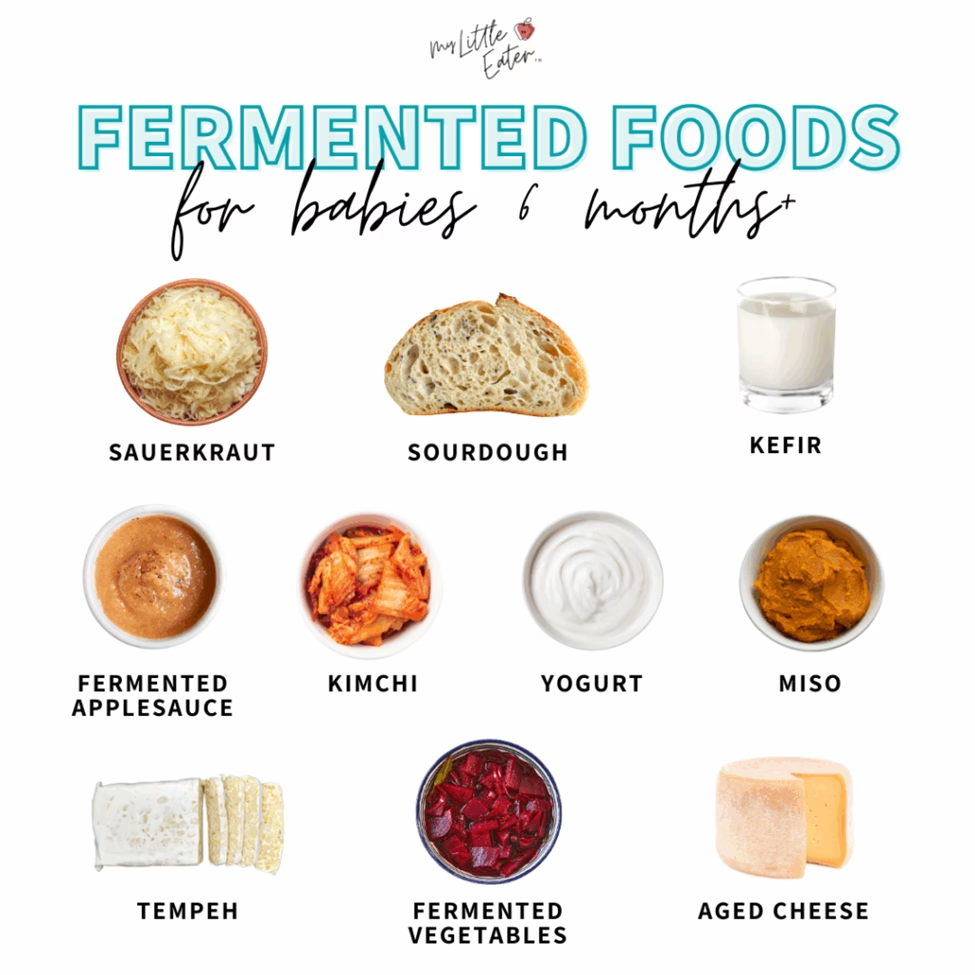
*NOTE: Heating fermented food kills the probiotics. Enjoy these foods cold or room temperature if you want to reap their probiotic benefits.
Conclusion
Probiotics are the unsung hero of digestive health and immunity. Even just a quarter cup of kefir or a few bites of fermented veggies is enough to fill the gut with billions of probiotics. However, probiotics cannot compete with excessive stress or a couch potato. Adopt a healthy lifestyle that supports probiotics. You’ll be thankful when you are not sick this spring!
Feature image courtesy of Vitalus
- Click HERE to get 20% off your order of keto-friendly Matt-Hat Jerky!
- Upgrade your skincare with Purely Tallow. Click HERE for hypoallergenic skincare!
- Craving chocolate? The Good Chocolate offers sugar-free, keto chocolate. Great taste minus the crash! Click HERE to see.
- Tired of chemical-laced products and want to give your haircare an upgrade? Vita Prima offers ancestral hair products formulated with natural ingredients. Learn more HERE!
Sources
- Dr. Axe, https://draxe.com/. Accessed 28 January 2026
- Dr. Jockers, https://drjockers.com/. Accessed 21 January 2026.
- Fermented foods: the latest trend. Heart Foundation, 20 August 2018, https://www.heartfoundation.org.nz/about-us/news/blogs/fermented-foods-the-latest-trend. Accessed 12 February 206.
- Gut health. Better Health Channel, https://www.betterhealth.vic.gov.au/health/healthyliving/gut-health. Accessed 11 February 2025.
- Krutmann, Jean. Pre- and Probiotics for Human Skin. January 2012, https://www.sciencedirect.com/science/article/abs/pii/S0094129811001313. Accessed 6 February 2026.
- Landry, Chelsey, RD. Fermented Foods For Babies: Everything You Need To Know Before Baby’s First Bite. My Little Eater, 21 April 2025, https://mylittleeater.com/fermented-foods. Accessed 12 February 2026.
- Langer, Abby. Is Soil Depletion Causing Our Food To Be Less Nutritious Than It Used To Be? Abbey Langer Nutrition, 29 May 2020, https://abbylangernutrition.com/is-soil-depletion-causing-our-food-to-be-less-nutritious-than-it-used-to-be/. Accessed 28 January 2026.
- Patangia, Dhrati V., et. al. Impact of antibiotics on the human microbiome and consequences for host health. NIH, 13 January 2022, https://pmc.ncbi.nlm.nih.gov/articles/PMC8756738/. Accessed 4 February 2026.
- Peluso, Carla, PhD. Gut Health, Well-Being, and More: The Essential Role of Serotonin in the Body. Syn Lab, 27 March 2025, https://www.synlab-sd.com/en/blog/health-and-wellness-en/the-role-of-serotonin-in-the-body/#:~:text=Serotonin%20is%20an%20essential%20neurotransmitter,released%20as%20needed%20(8).. Accessed 4 February 2026.
- Vitalus, https://vitalus.com/wp-content/uploads/2020/08/VNI_14154_20_Blog-Graphics-01-scaled-740×460.jpg. Accessed 21 January 2026.
- Wiertsema, Selma P, et. al. The Interplay between the Gut Microbiome and the Immune System in the Context of Infectious Diseases throughout Life and the Role of Nutrition in Optimizing Treatment Strategies. NIH, 9 March 2021, https://pmc.ncbi.nlm.nih.gov/articles/PMC8001875/#:~:text=The%20immune%20system%20plays%20a,the%20local%20mucosal%20immune%20system.. Accessed 25 January 2025.
The Gem State Chronicle delivers daily analysis, op-eds, press releases, and Idaho Insider updates — free to your inbox.
Free newsletter · Unsubscribe anytime · View on Substack

About Savanna DeHay
Savanna DeHay graduated from North Idaho College in 2022, and currently lives in North Idaho. She writes about health, current events, and other important issues.