FOR IMMEDIATE RELEASE
June 15, 2026
CONTACT:
Kyra Smith (Crapo)
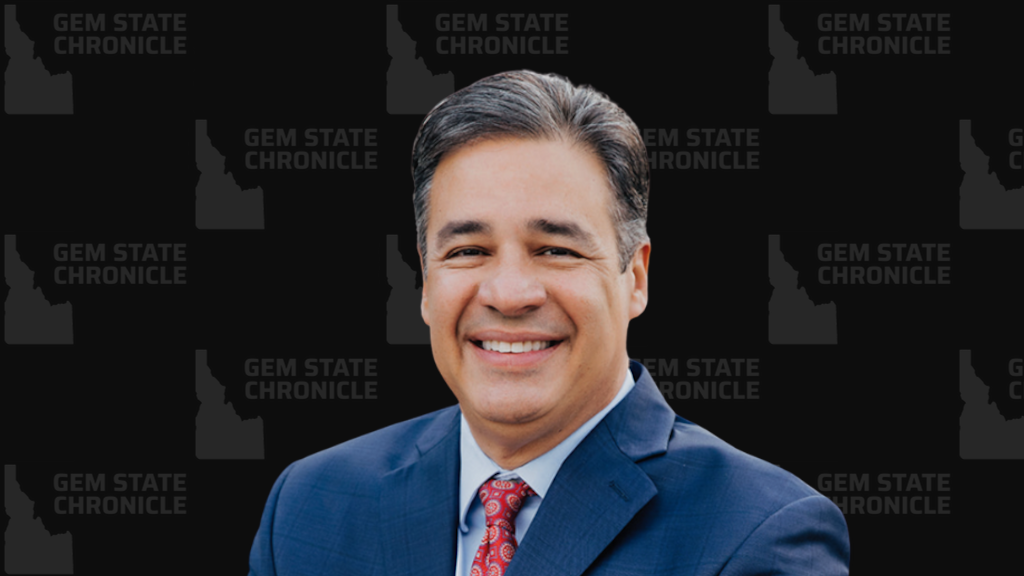
Washington, D.C.–U.S. Senator Mike Crapo (R-Idaho) joined Senator John Cornyn (R-Texas) and 14 of their Senate Republican colleagues to introduce the Stopping Harmful and Outrageous Torts (SHOT) Act, which would strengthen the Protection of Lawful Commerce in Arms Act (PLCAA) to better protect the firearms industry from frivolous lawsuits brought by anti-gun groups.
“Litigious activists should not be allowed to bankrupt lawful businesses for crimes they did not commit,” said Crapo. “The SHOT Act would reinforce Congress’s original intent by strengthening federal protections for members of the firearms industry, stopping meritless lawsuits and preventing costly legal abuse.”
“I am a proud supporter of the PLCAA, which protects our firearms industry from the constant onslaught of frivolous attacks by the Radical Left, progressive officials and rogue activist judges,” said Cornyn. “This legislation would strengthen the PLCAA to ensure it can continue to defend law-abiding Americans’ Second Amendment rights against anti-gun groups’ evolving tactics, and I urge the Senate to bring it to the floor for a vote as soon as possible.”
The bill is also co-sponsored by Senators Jim Risch (R-Idaho), Marsha Blackburn (R-Tennessee), Ted Budd (R-North Carolina), John Curtis (R-Utah), Steve Daines (R-Montana), Chuck Grassley (R-Iowa), Tim Sheehy (R-Montana), Lindsey Graham (R-South Carolina), Tom Cotton (R-Arkansas), Jim Justice (R-West Virginia), Cynthia Lummis (R-Wyoming), Shelley Moore Capito (R-West Virginia), Pete Ricketts (R-Nebraska) and Bill Cassidy (R-Louisiana).
Representative Derek Schmidt (R-Kansas) introduced companion legislation in the U.S. House of Representatives.
Background
Congress passed the Protection of Lawful Commerce in Arms Act (PLCAA) 20 years ago to stop frivolous lawsuits brought by radical anti-gun groups against the firearms industry. These lawsuits, premised solely on the actions of third parties who misuse firearms in a manner beyond the industry’s control, sought to bankrupt the firearms industry. In response, the PLCAA provided the firearms industry with basic immunity protections from frivolous suits that many other American industries enjoy.
What current challenges exist for the firearms industry with the PLCAA?
Unfortunately, the plain text of the PLCAA has been ignored and its protections chipped away. For example, in Smith & Wesson Brands, Inc. v. Estados Unidos Mexicanos, Mexico filed a lawsuit against firearms manufacturers alleging they caused cartel violence. The District Court judge hearing the case quickly dismissed the suit under the PLCAA, but a panel of liberal judges on the First Circuit ignored the PLCAA’s text and reversed the lower court, necessitating the Supreme Court’s involvement. While a unanimous Supreme Court emphatically dismissed the suit, the entire charade cost firearms manufacturers an exorbitant amount in legal fees.
What would the SHOT Act do?
The Stopping Harmful and Outrageous Torts (SHOT) Act would address the anti-gun lobby’s tactics that undermine the PLCAA’s protections by establishing new provisions under the law that would:
- Delineate a standardized process for removing and dismissing baseless actions brought against the firearms industry;
- Require complaints premised on an exception to the PLCAA’s protections to be pled with particularity, including providing the facts necessary to establish scienter and proximate cause;
- Create an interlocutory appeal as of right for industry defendants if a motion to dismiss based on the PLCAA’s protections is denied;
- Grant a defendant who asserts immunity under the PLCAA and prevails attorneys’ fees and court costs;
- Clarify that the PLCAA’s protections preempt state or local laws;
- Make plain that foreign governments may not bring a qualified civil liability action against a defendant in U.S. federal or state courts;
- Update the definitions of a “qualified product” to include firearms accessories such as magazines and optical devices;
- Revise the definition of a “qualified civil liability action” to make clear that any claim premised on an exception to immunity requires the plaintiff to be directly injured by a defendant, and that nuisance or negligence claims do not qualify as an exception; and
- Expand the definition of a “seller” of a qualified product.
The Stopping Harmful and Outrageous Torts (SHOT) Act is endorsed by the National Shooting Sports Foundation (NSSF).
The Gem State Chronicle delivers daily analysis, op-eds, press releases, and Idaho Insider updates — free to your inbox.
Free newsletter · Unsubscribe anytime · View on Substack

About Mike Crapo
Senator Mike Crapo has represented Idaho in the Senate since 1999, following three terms in the U.S. House and eight years in the Idaho State Senate. A lifelong Idahoan, he currently serves as Chairman of the Senate Finance Committee.