By Savanna DeHay
Intro
We aren’t actually hungry for that ice cream, or those chips. We’re just longing for comfort and peace after another hard day. But staring down at that empty pint or bag quickly fills us with negative emotions we don’t know how to handle.
Entertainment pokes fun at emotional eating, but it’s not funny. It’s an unhealthy way to suppress negative emotions, leading to sugar crashes, weight gain, and metabolic dysfunction.
Learning to understand negative emotions in a productive, healthy manner prevents harmful habits. We are allowed to feel them, but we need to address them instead of reaching for eight donuts. Emotional eating doesn’t just affect us; it ripples out to our families, too. Let’s learn how to break this pattern so we can feel better and be healthier.
What is Emotional Eating?
According to UF Health, emotional eating is defined using “food to cope with difficult emotions.” Having “nothing to do with hunger, it is typical to eat a lot more calories than your body needs or will use,” (“Break the Bonds…’). Common drivers include boredom, stress, anger, sadness, loneliness, and depression. A classic example is devouring an entire carton of ice cream after a break-up. Did the ice cream fix the situation? No. Did it temporarily alleviate or minimize those uncomfortable emotions? Yes. But that temporary relief comes at a cost.
The American Psychological Association highlights just how pervasive the cycle is:
- 38% “of adults say they have overeaten or eaten unhealthy foods in the past month because of stress. Half of these adults […] report engaging in these behaviors weekly or more.”
- 33% eat to distract themselves from current stressors.
- 27% explicitly use eating as a stress management tool.
- 30% o report skipping meals entirely due to stress
- 49% feel disappointed in themselves afterward, while 46% report feeling shame about their body image after emotional eating
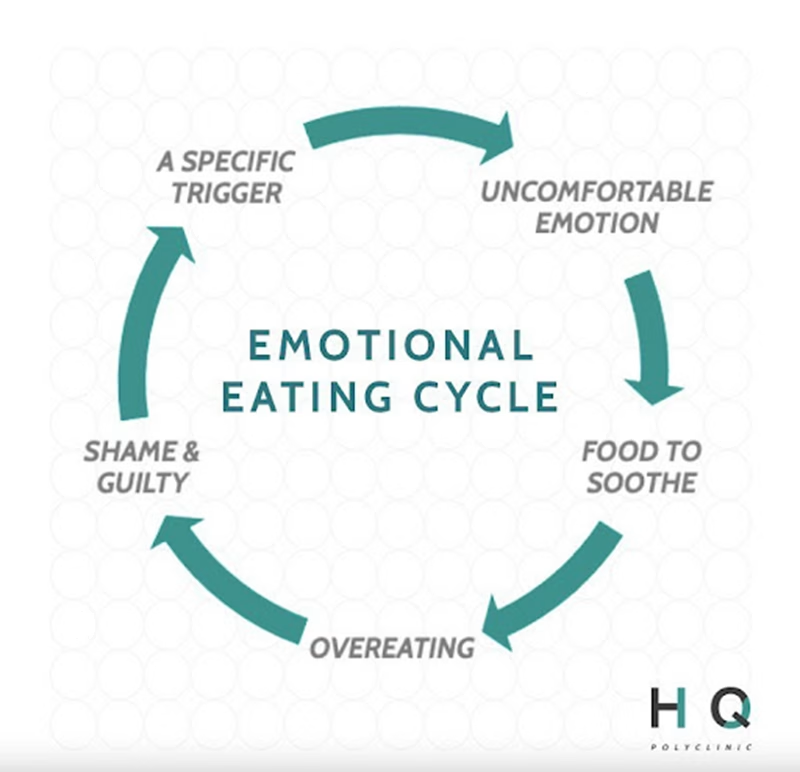
Not everyone who stress eats does so because of difficult emotions. Hormones (especially cortisol), social situations, distraction, and entertainment can also drive us to eat more than we want. Overeating occasionally is no biggie, but when it becomes a persistent cycle it can wreck our hormonal balance, lead to obesity, and increase risk of chronic disease.
Consequences of Emotional Eating
Emotional eating often triggers a cycle of shame and guilt, leading to lying and secrecy. This behavior strains and damages relationships. Consistently eating far beyond our body’s needs leads to weight gain, and potentially obesity. With obesity comes a heavy toll on our health, including:
- Insulin resistance
- Metabolic dysfunction
- Adrenal fatigue
- Heart disease
- Kidney disease
- A generally decreased quality of life
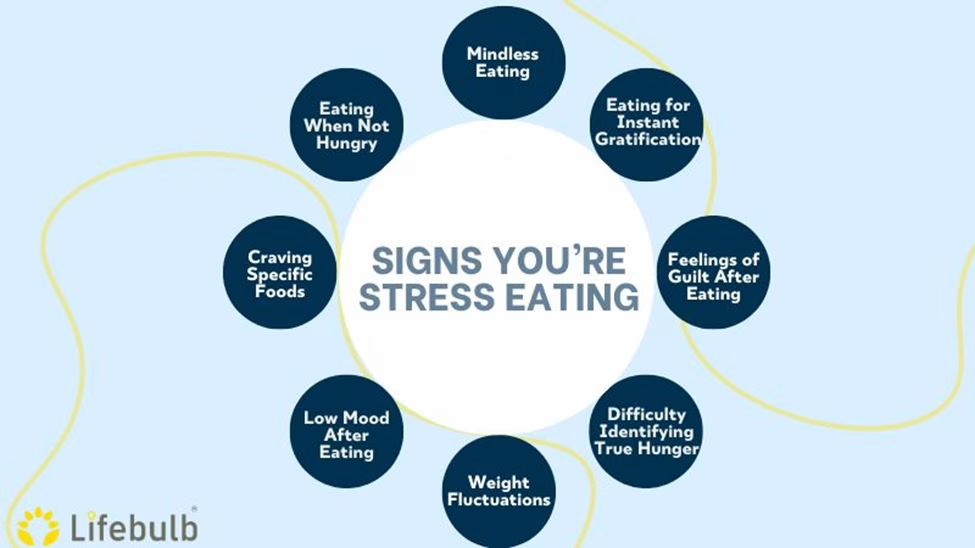
Dr. Josh Axe offers a quick yes/no test with less than 20 questions to help you determine if you are an emotional eater. Click HERE to take the free test!
Tips to Overcome Emotional Eating
Luckily, we don’t have to live with emotional eating. Breaking the cycle only requires the ability to pause, think, replace, and repeat.
Pause
When the urge to snack hits, the first thing to do is pause. Instead of instantly giving in, wait about 10 minutes. If the hunger is truly physical, it will likely persist after those 10 minutes. If the urge was a compulsive reaction to boredom or emotion, it will often dissipate during the wait.
Think
Those 10 minutes give us time to reflect. Ask yourself: Am I craving sugar and carbs? Is this a “mouth and brain” craving, or is my stomach actually growling? Real hunger comes slowly and originates in the stomach. It is satisfied by a filling meal with healthy proteins and fats. Stress hunger usually pines for comfort and junk food. If it is real hunger, it is perfectly okay to have a healthy snack. But if it is stress-induced, the emotional toll of a large, unhealthy binge will be far worse than sitting with the emotion for a few minutes.
Replace
The compulsive urge to seek comfort in food can be swapped for activities that keep your hands and mind busy. Going for a walk, exercising, taking a shower, playing a board game, drawing, reading or calling a friend or family member are great habit replacements. They engage both your body and mind, effectively distracting you from the cycle.
Repeat
Every time the urge to stress eat arises, practice these steps. Over time, these healthy habits will overpower the compulsions. Eventually, reading a book or going for a run when stressed won’t feel like a chore – it will simply become a new healthy habit.
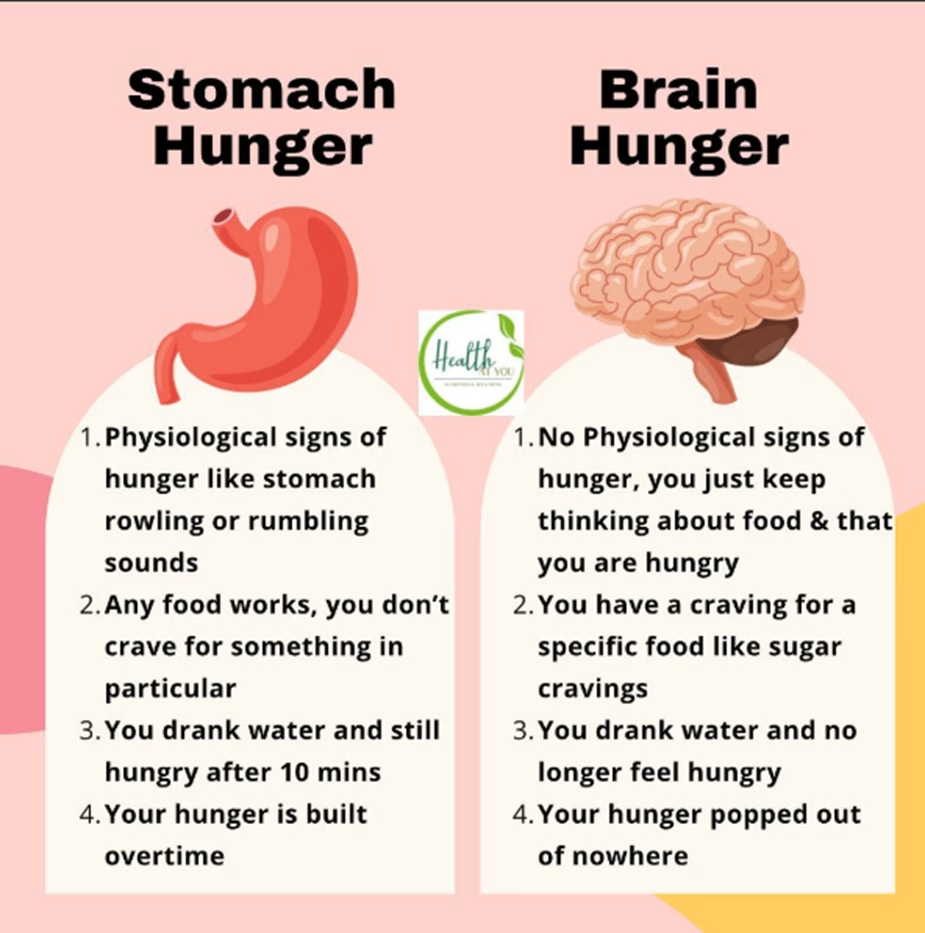
Emotional eating offers short-term relief, but the consequences are long-term. Shifting that urge toward a healthy alternative is a productive way to mitigate the consequences of overeating while nourishing your body.
Mood Boosting Foods
There are many foods that are comforting, relaxing, and genuinely nourishing. Many of these are rich in healthy fats, which are essential for supporting brain function and stabilizing mood.
- Avocado (packed with healthy fats to fuel the brain)
- Wild-caught salmon (high in potassium and vitamin B12 for energy and mood regulation)
- Extra virgin olive oil (reduces inflammation in the body)
- Whole eggs (rich in choline, vital for brain health)
- Fermented foods (abundant in probiotics to support gut health, which is linked to mood)
- Berries (loaded with vitamins A and C to boost the immune system)
- Bananas (high in vitamin B6, which helps the brain produce mood-regulating chemicals)
- 70%+ dark chocolate (reduces inflammation and boosts mood)
- Raw honey (high in antioxidants and boosts energy)
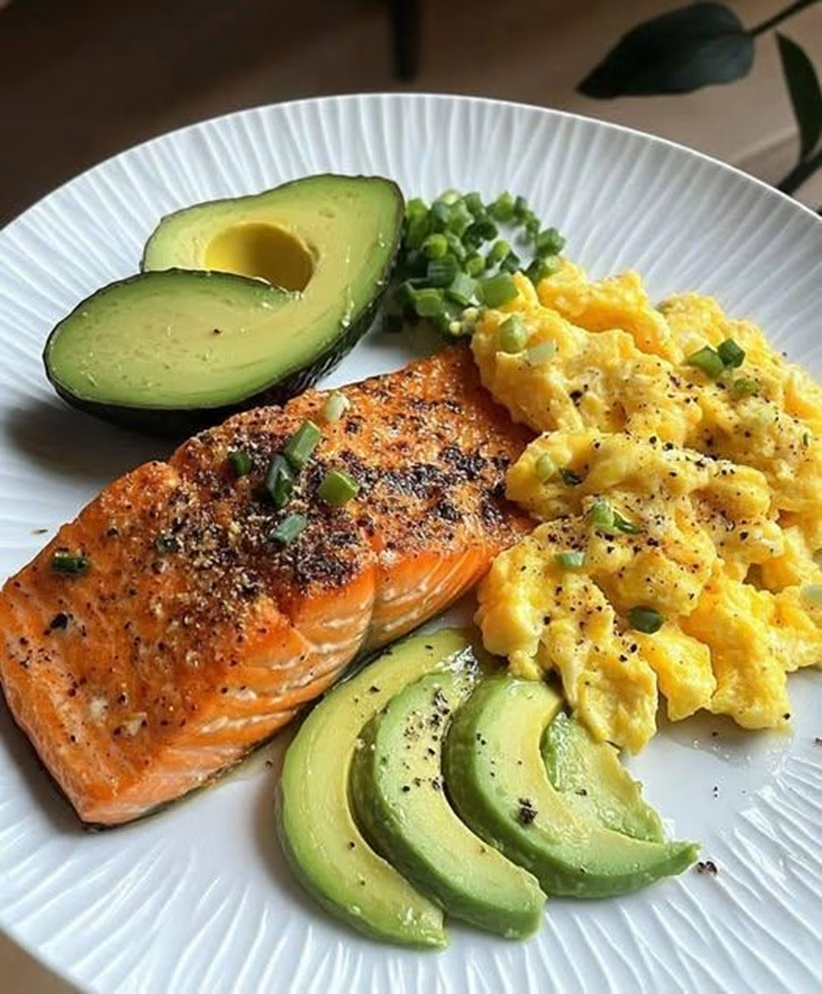
Click HERE to see a recipe for honey-sweetened avocado chocolate pudding! A great way to boost mood and keep full for those with a sweet tooth.
Conclusion
Sometimes, life gets tough. Emotionally eating comfort foods only brings temporary relief before the stress and guilt return. By choosing to pause, think, and replace, the path to reclaiming your health and peace of mind begins now.
Feature image courtesy of Getty Images
Click HERE for 20% off your order of keto-friendly Matt-Hat Jerky!
- Upgrade your skincare with Purely Tallow. Click HERE for hypoallergenic skincare!
- Craving chocolate? The Good Chocolate offers sugar-free, keto chocolate with one 1g net carbs per serving. Great taste minus the crash! Click HERE for chocolatey goodness.
- Tired of chemically laden products and want to upgrade your haircare? Vita Prima offers ancestral hair products formulated with natural ingredients. Learn more HERE!
Sources
- Avocado Chocolate Pudding. Seeded at the Table, 11 February 2021, https://www.seededatthetable.com/avocado-chocolate-pudding/#recipe. Accessed 17 March 2026.
- Break the Bonds of Emotional Eating. UF Health, https://ufhealth.org/care-sheets/break-the-bonds-of-emotional-eating. Accessed 22 February 2026.
- Deepart386. iStock by Getty Images, https://www.istockphoto.com/photo/portrait-of-stress-young-woman-covering-her-face-with-hands-and-crying-gm1308413743-398401502. Accessed 22 February 2026.
- Dr. Axe, https://draxe.com/. Accessed 9 March 2025.
- Emotional Eating Cycle. The Healthquarters Polyclinic, http://www.thehealthquarters.co/2273/understanding-the-emotional-eating-cycle/. Accessed 5 March 2026.
- Rawat, Surbhi. Health.at.you, Instagram, https://www.instagram.com/health.at.you/?g=5. Accessed 17 March 2026.
- Signs You’re Stress Eating. Life Bulb, https://www.lifebulb.com/blogs-media/8701602-Signs-youre-stress-eating.jpg. Accessed 13 March 2026.
- Stress and eating. American Psychological Association, https://www.apa.org/news/press/releases/stress/2013/eating. Accessed 1 March 2026.
- Tremblay, Cendrine. Power Breakfast Plate:Bakes Salmon, Scrambled Effs & Avocado. 9 March, Facebook, https://www.facebook.com/photo/?fbid=122285273240559067&set=gm.2220271722119760&idorvanity=1823410958472507. Accessed 17 March 2026
The Gem State Chronicle delivers daily analysis, op-eds, press releases, and Idaho Insider updates — free to your inbox.
Free newsletter · Unsubscribe anytime · View on Substack

About Savanna DeHay
Savanna DeHay graduated from North Idaho College in 2022, and currently lives in North Idaho. She writes about health, current events, and other important issues.