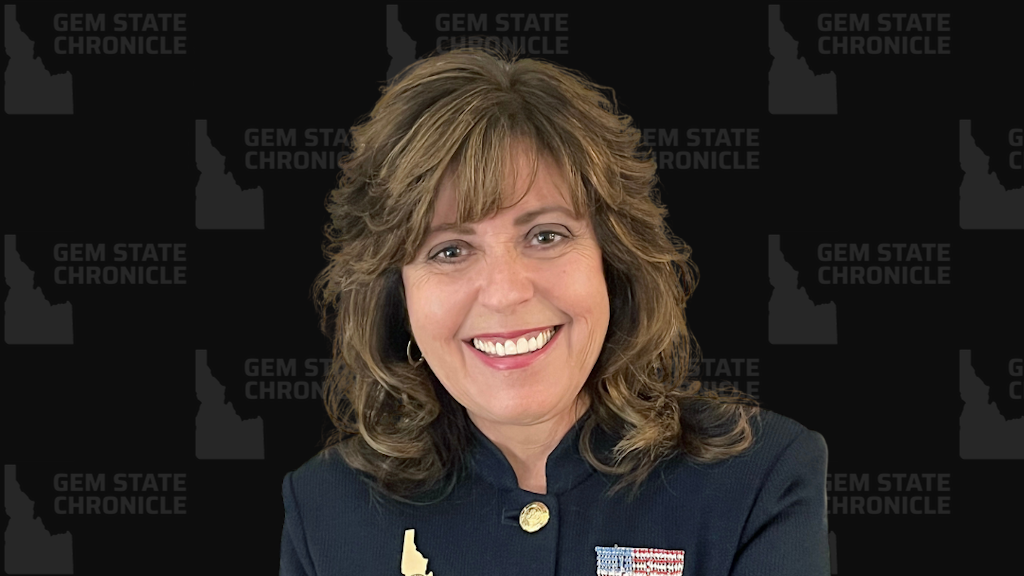
By Justan Rice
Whether driving for rideshare platforms, delivering groceries, or freelancing from home offices, Idahoans have joined the independent economy for a clear reason: the freedom to set their own schedules and control their work lives. This trend is growing rapidly and is well-documented. Neilsberg Research reports Idaho is ranked 7th nationwide for self-employment. With 13.7% of households reporting self-employment income, that’s 143,000 people! However, while these workers enjoy being their own boss, their independence comes at a steep cost.
Traditional employees in Idahotypically receive employer-provided health insurance, retirement savings, disability protection, and unemployment benefits. Independent workers are left to provide these benefits on their own. The Congressional Research Service highlights a “benefits gap”: only 14% of independent workers have employer-style health benefits, compared to 73% of full-time employees. This gap means independent workers face higher uninsured rates, less retirement savings, and greater financial vulnerability, often leaving families one illness or injury from financial disaster.
This is not inevitable. Current laws in Idaho prevent platforms from helping their workers. Platforms that want to contribute to independent worker benefits face lawsuits, back taxes, and reclassification penalties. The system designed to protect workers traps 29% of the state’s small-business workforce. They face a false choice between independence and security.
There is a better way. Voluntary portable benefits legislation, proven in Utah, Tennessee, and Alabama, offers a path forward. It protects workers without destroying the flexibility they value.
A Common-Sense Solution – House Bill 645
There is a better way. House Bill 645, the Voluntary Portable Benefit Plan Act, already heard before the House Committee on Business and on its way to the House floor, offers Idaho a clear path forward. The concept is straightforward: let hiring parties make voluntary contributions to portable benefit accounts owned by independent contractors. These accounts can fund health coverage, retirement savings, disability protection, life insurance, and emergency income replacement. Critically, making these contributions does not create an employment relationship. Workers keep their independence while gaining access to the financial security tools they need.
The bill also includes meaningful tax incentives to encourage participation. Hiring parties can deduct 100% of their contributions as a business expense, and independent contractors can exclude those contributions entirely from their taxable income. These provisions make it financially attractive for both sides to participate—a smart design that lets the private sector, not government mandates, drive the solution.
The concept is straightforward: let platforms make voluntary contributions to portable benefit accounts, similar to traditional employer contributions. This does not create an employment relationship. Workers keep control and independence. They also gain access to health coverage, retirement savings, disability protection, and emergency funds through established providers.
Utah’s Senate Bill 233, passed unanimously in 2023, provides a model. The law clarifies that voluntary contributions from platforms do not establish employment status. This removes the legal risk that stopped companies from supporting workers. Platforms like Lyft and Shipt now actively contribute to worker accounts. Feedback from workers has been overwhelmingly positive.
This program is voluntary for both platforms and workers. Platforms that choose to participate typically contribute between 2% and 25% of earnings to portable benefit accounts if a worker opts in. Tax incentives keep costs manageable for businesses and make coverage more affordable for workers. The reform removes barriers preventing willing platforms from helping willing workers.
Why This Matters for Idaho
Data from the Idaho Department of Labor confirms that solo-run “nonemployer” establishments now account for about 18% of the state’s paid employment, roughly 145,000 of 805,000 total jobs. For these independent workers, benefits are tangible. Pooling risks and platform contributions can lower insurance premiums by up to 7% of earnings. Benefits are portable, following workers from job to job instead of depending on a single employer. Retirement security helps close the savings gap for self-employed workers and does not require returning to traditional employment.
For businesses, voluntary portable benefits legislation provides legal clarity. Companies can attract talent with benefits and avoid lawsuits or reclassification battles. Tax exemptions on contributions make it cost-effective to support workers. Unlike California’s mandate-heavy approach, this model lets businesses tailor contributions to their needs and capacity.
For states like Idaho, the economic benefits are clear. This costs taxpayers nothing. It is a privately funded, voluntary system. It reduces taxpayer burden by decreasing reliance on public assistance for health and retirement needs. States with this policy attract businesses and talent in the growing independent economy, strengthening rural and urban areas.
Addressing the Skeptics
Some argue the answer is to simply force these workers into traditional employment. But that ignores what workers actually want. According to the Bureau of Labor Statistics, roughly 80% of independent workers prefer to remain contractors because they value the flexibility to set their own schedules and choose their own projects. Forcing them into nine-to-five roles does not protect them—it eliminates the lifestyle they have chosen. Portable benefits offer a third way: security and flexibility, without sacrificing either one.
The Path Forward
The way we work has changed. Our benefit system has not kept pace. We can keep a system that leaves Idaho’s independent workers vulnerable and drives talent to more supportive states. Or we can provide modern protections for modern work.
Voluntary portable benefits legislation is proven, bipartisan, and ready to implement. Utah has shown it works. Tennessee and Alabama followed. Workers in pilot programs in Pennsylvania and Georgia report significant improvements in financial security.
Idaho’s independent workers deserve security. They need access to health coverage, retirement savings, and disability protection. They also deserve the independence they value. With voluntary portable benefits, they can have both.
By passing HB 645, Idaho can ensure that choosing independence no longer has to mean choosing insecurity.
The Gem State Chronicle delivers daily analysis, op-eds, press releases, and Idaho Insider updates — free to your inbox.
Free newsletter · Unsubscribe anytime · View on Substack

About Justan Rice
Justan Rice is the Director of State Government Affairs at the Libertas Institute. In 2023, Libertas Institute served as the primary advocate and conceptual architect for the "Portable Benefit Plan," which made Utah the first in the nation to pass such a bill.