For Immediate Release
November 12, 2026
Media Contact: Dan Estes
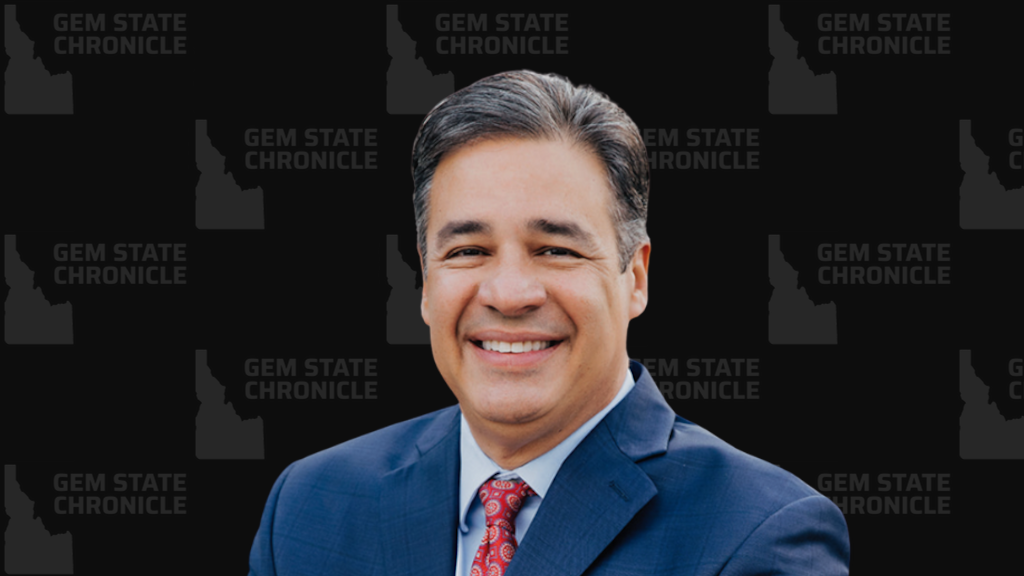
BOISE, ID — Attorney General Raúl Labrador and a bipartisan coalition of 49 attorneys general are pushing the Federal Communications Commission (FCC) to make improvements to its Robocall Mitigation Database (RMD) that would help curb illegal robocalls.
“Every Idahoan is fed up with robocalls and scammers,” said Attorney General Labrador. “The FCC needs to hold telecom providers accountable at the source for allowing and profiting from the illegal traffic in the first place. I am urging the FCC to strengthen its rules for telecom providers to give Idaho families some relief from constant scam calls.”
The attorneys general are urging the FCC to improve the effectiveness of the RMD by strengthening filing obligations and deterring bad actors and noncompliant providers from appearing in the RMD. The attorneys general argue that improvements could allow the RMD to serve as the authoritative resource for promoting transparency and accountability around all providers’ robocall mitigation practices. Improvements would allow the FCC’s tool to serve as a barrier to entry, reducing illegal call traffic.
Voice service providers are required to submit a filing with the RMD before they can accept and route call traffic through the U.S. communications network. That filing must include information about the provider’s business and robocall mitigation practices. Downstream providers are only allowed to accept calls from providers that are included in the RMD. However, bad actors are currently able to enter and stay in the database with minimal effort and limited impediments.
The coalition filed comments in response to the FCC’s proposed changes to the RMD. The attorneys general urge the FCC to:
- Ensure that all information in the RMD is accurate and complete. The FCC should thoroughly vet all information submitted to the RMD before allowing a provider to appear in the RMD and start sending call traffic through the network.
- Require additional disclosures. The FCC should require providers to disclose their use of third parties, related entities, the legitimacy of claims of a domestic presence, and access to numbering resources.
- Make it more difficult for bad actors to enter or re-enter the RMD. The attorneys general support the FCC’s proposed methods to suspend or remove bad actors from the RMD, strengthen the filing format and content of robocall mitigation plans, and require that RMD filers provide evidence of solvency.
- Hold providers responsible for all filings done on their behalf. The coalition does not oppose allowing third-party submissions on behalf of providers to the RMD, as long as providers and their principals are responsible for the information submitted on their behalf.
- Impose additional certification requirements to allow for quicker removal from the RMD when necessary. Providers should be required to certify that they have not submitted false or misleading information, are in compliance with all applicable FCC robocall rules, and will respond within 24 hours to traceback requests.
- Require providers to notify their upstream customers and downstream providers of FCC orders and notices. The FCC should require providers subject to an FCC removal order, suspension, or mandatory blocking order to notify their calling customers of the same.
- Make historical RMD filings public. The historical data of providers that have been removed from the RMD would be useful to law enforcement and others.
- Implement all proposed rules as soon as possible and maintain RMD obligations in the meantime. If the proposals to strengthen the RMD are adopted, the RMD is set to become a reliable tool to help safeguard the communications network against illegal robocalls, making swift implementation crucial. The FCC should also keep in place all obligations that protect against bad actors until reinforced guardrails are implemented.
Attorney General Labrador is part of the Anti-Robocall Multistate Litigation Task Force, which launched Operation Robocall Roundup in 2025. This Task Force has sent warning letters to 37 smaller voice providers which failed to comply with FCC baseline mandates. The crackdown has expanded to four of the nation’s largest intermediate voice service providers. In addition, the Task Force pushed the FCC to strengthen rules that would cut off scammers’ access to legitimate phone numbers, and to strengthen its Know Your Customer rules to require phone companies to verify who is making calls using their networks.
The Gem State Chronicle delivers daily analysis, op-eds, press releases, and Idaho Insider updates—free to your inbox.
Free newsletter · Unsubscribe anytime
About Raúl Labrador
Raúl Labrador is the 33rd Attorney General of Idaho. The Office of the Attorney General provides legal representation for the State of Idaho. This representation is furnished to state agencies, offices and boards in the furtherance of the state's legal interests. The office is part of state government’s executive branch and its duties are laid out in the Idaho Constitution.