A few weeks ago, President Donald Trump spoke to the nation about intelligence reports regarding Chinese interference in the 2020 election and an apparent refusal by the intelligence community to share that information with him at the time. He urged the Senate to pass the SAVE America Act, which would mandate election integrity provisions including photo ID requirements and the removal of non-citizens from voter rolls. A document released by the Department of Homeland Security included Idaho on a list of states that are proactively implementing SAVE Act provisions, including efforts to remove non-citizens and deceased individuals from voter rolls.
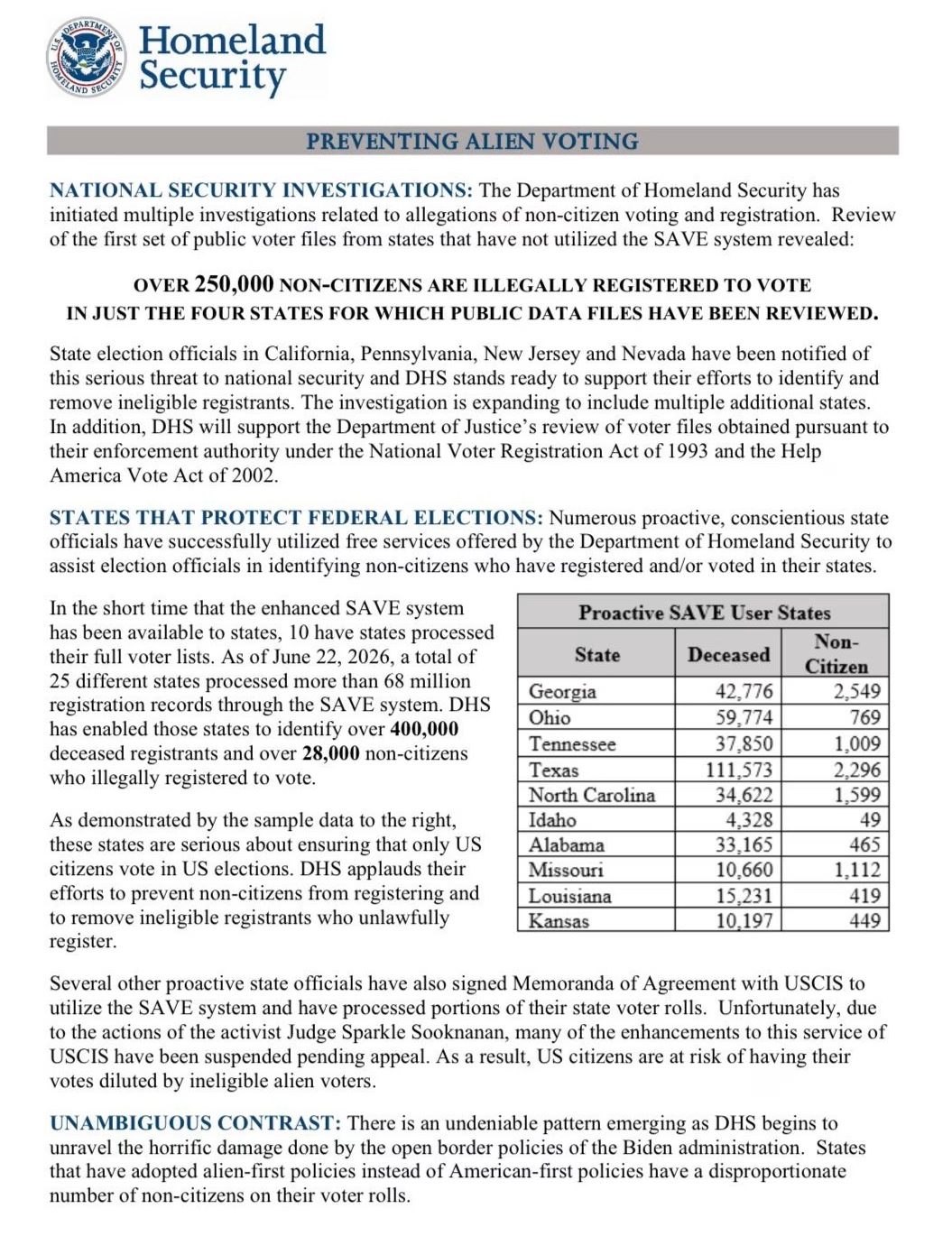
In a recent newsletter, Secretary of State Phil McGrane highlighted the seeming contradiction of being praised for election integrity while at the same time being sued by the Justice Department for withholding certain voter data. The dispute centers on whether Idaho must provide the federal government with full access to its statewide voter registration database, including potentially personally identifying information about registered voters. I asked the secretary about that lawsuit during a recent conversation:
I can see both sides of this issue. On the one hand, I trust the Trump Administration and Assistant Attorney General Harmeet Dhillon to use voter data responsibly and ensure that only citizens are registered to vote. On the other hand, I see the secretary’s point that his office has already gone above and beyond in working with the federal government on that issue, and he has a responsibility to protect the personal information of Idaho citizens. In his newsletter, McGrane reiterated that his office has been carrying out instructions from Gov. Brad Little to ensure that non-citizens are kept off the voter rolls and removed if they should appear there.
The Secretary of State’s office issued a press release last year announcing the arrest of two men in Ada County for voting illegally. One was a non-citizen, while the other was still on felony probation.
When it comes to election integrity, it’s important to filter signal from the noise. One of my earliest Substack newsletters, published in January 2022, called out figures like Mike Lindell who—though perhaps well-meaning—made such wild accusations that it became easy to portray anyone concerned with election integrity as a raving conspiracy theorist. As usual, I believe the truth is often much more mundane than imagination.
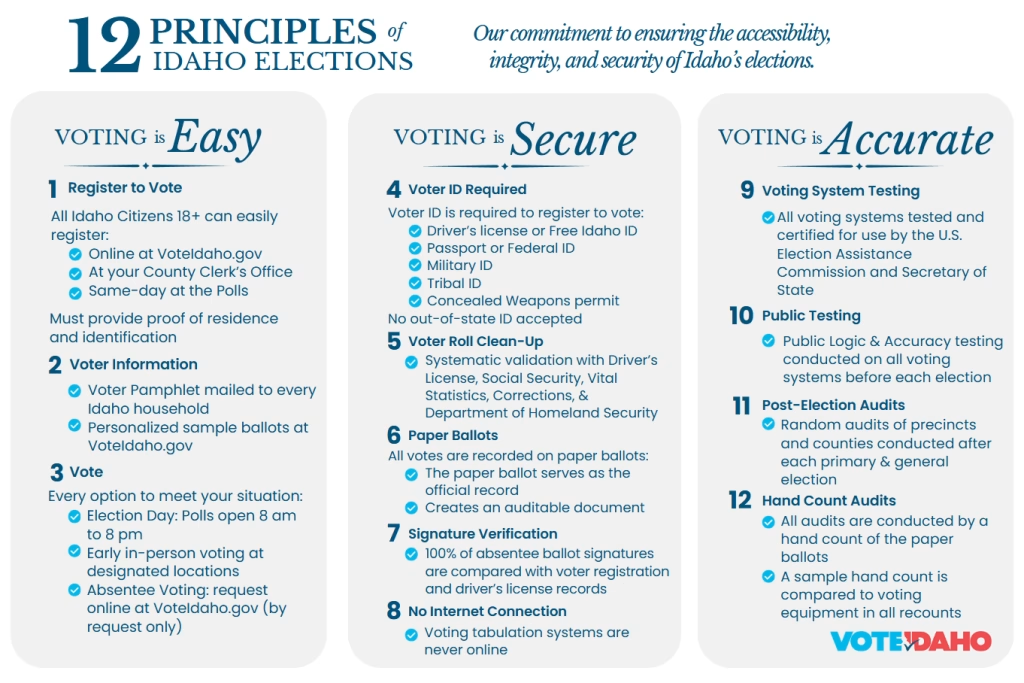
Idaho has already adopted many of what most conservatives would consider best practices for election integrity, including photo ID at the polls, post-election audits, and a requirement that voters proactively request absentee ballots. There is more I would personally like to see, including eliminating no-excuse absentee ballots and moving to Election Day-only voting, but we are definitely ahead of the curve.
One easy lift would be to eliminate the voter affidavit loophole, which Sen. Brian Lenney has been fighting for several years. Under the current system, a person can walk into a polling place without ID, sign an affidavit affirming their identity, and cast a ballot. While the system is intended to accommodate voters who lack acceptable identification, critics argue it creates an opportunity for abuse because poll workers have no practical way to verify whether the person is telling the truth.
Secretary McGrane and his office promote what they call the 12 Principles of Idaho Elections:
The best way to understand Idaho’s election systems is to spend a day as a poll worker. I’ve had the privilege of serving as chief judge in three different elections at three different polling places, and it has given me a much greater perspective on how elections are handled in Ada County. Voters fill out paper ballots, which are tabulated by an optical scanner and then deposited into a secure ballot box for safekeeping. The scanners are not connected to the internet, and the flash drive containing the vote count is kept in a locked compartment to which none of the poll workers have the key.
Ballot boxes are secured with numbered seals. When the first voter arrives, he or she verifies that the boxes are empty, and the chief judge closes them in a container beneath the scanner, sealing them in the first voter’s presence. Once the polls close, poll workers open the containers, remove the ballot boxes, and seal them again for transport to the elections office. The chief judge takes the ballots and scanners back to the elections office, where the ballots are removed and tabulated.
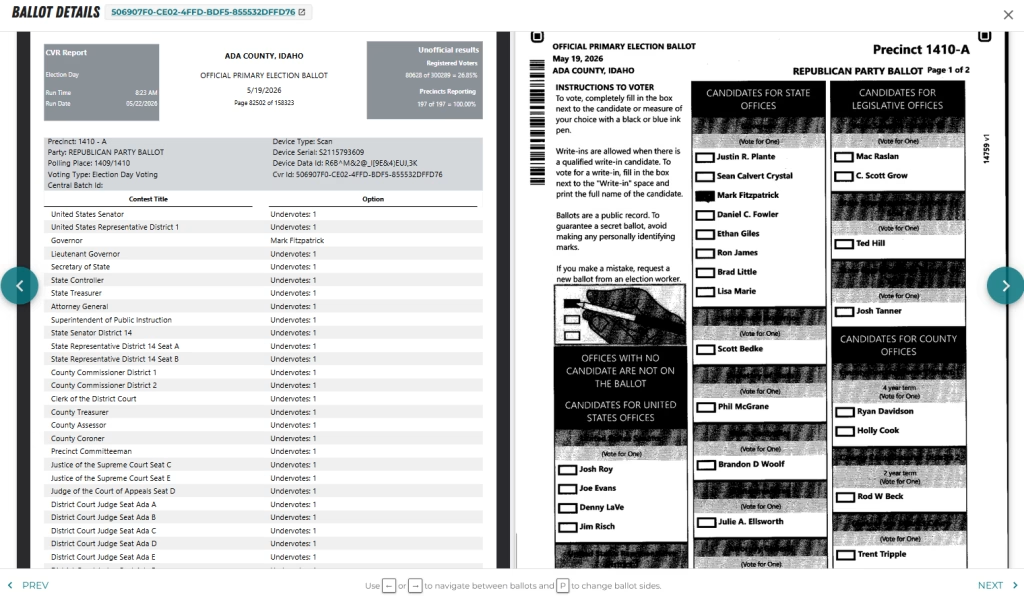
The best antidote to distrust is transparency. The more voters understand how elections actually work, the less room there is for unfounded suspicion, and the more we can focus on what actually needs to be done. To that end, Ada County has a very cool feature called the Ballot Verifier that allows you to view scans of every ballot cast in every election since 2022:
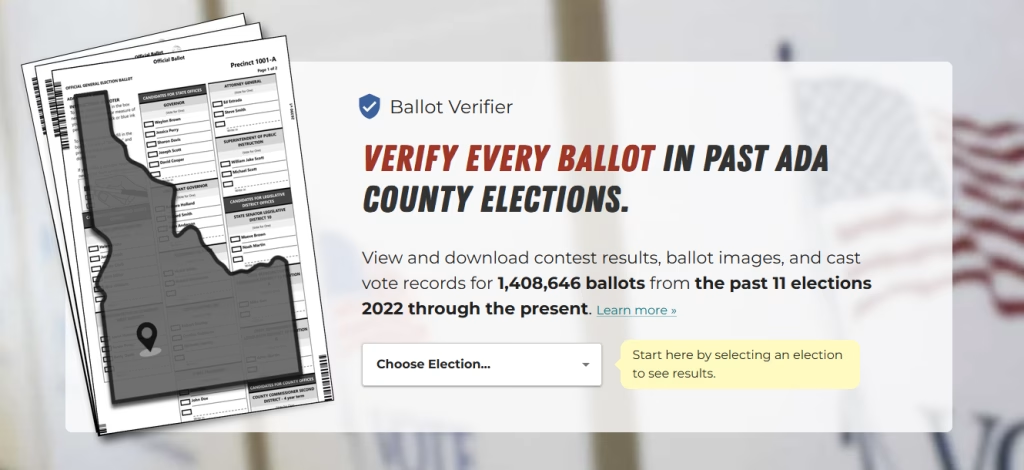
If a voter were to put some unique mark on their ballot, they could browse the verifier, find their ballot, and confirm that their votes were correctly tallied. For example, I found this ballot from a voter in my precinct (it wasn’t me) who only cast a single vote for Mark Fitzpatrick and left the rest of the ballot blank:
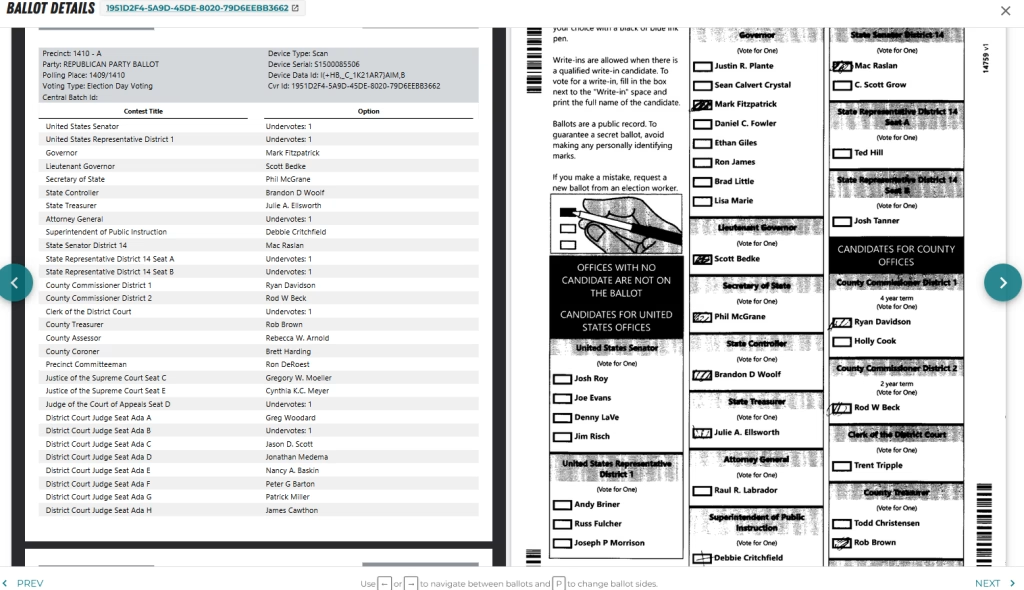
I found another ballot from my precinct (once again, not me) from a voter who made very sloppy marks, but as you can see, the optical scanner interpreted them correctly:
Ballot Verifier even lets you view images of early and absentee ballots in addition to those cast on Election Day.
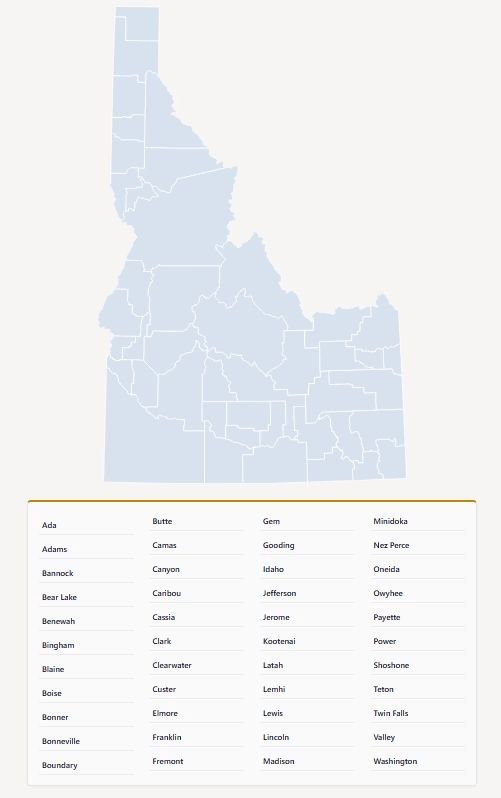
In Idaho, all 44 counties run their own elections, which makes sense because what works in big Ada County might not work in little Clark County. The first place to go if you have questions about elections is your county clerk. Idaho Insider at the Gem State Chronicle makes it easy for you to connect with your county’s elections office—just visit the County Information page and find your county on the map or on the list!
One thing I’ve learned in my time as a poll worker is that the biggest vulnerability in any system is people, not technology. All the election safeguards in the world don’t matter if a poll worker bends the rules and allows someone to vote without being properly registered or showing ID. That is why the best thing you can do to ensure election integrity is to step up and serve as a poll worker yourself.
It not only gives you an opportunity to see the process up close, but it also gives you a chance to ensure that the law is followed to a tee, at least in one polling place. Poll workers aren’t usually longtime government employees, but regular folks—whether retired, self-employed like me, or taking a day off work to serve their communities. Ada County, at least, pays poll workers a small amount, but the experience is the real value in serving.
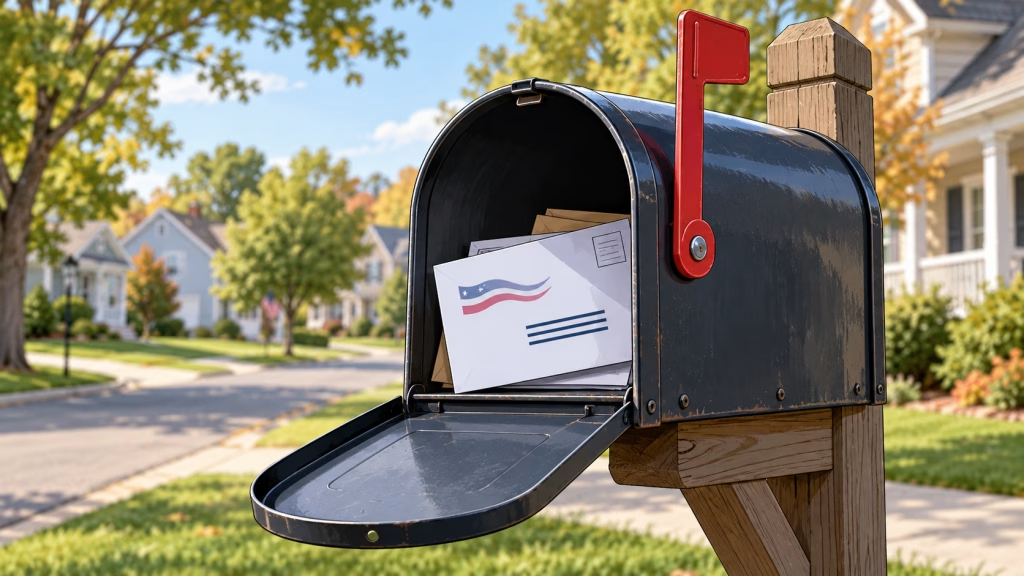
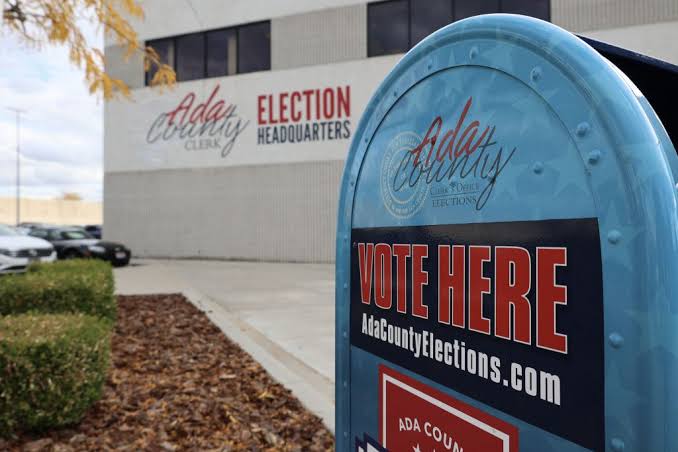
Feature image courtesy of Ada County Elections.
The Gem State Chronicle delivers daily analysis, op-eds, press releases, and Idaho Insider updates — free to your inbox.
Free newsletter · Unsubscribe anytime · View on Substack

About Brian Almon
Brian Almon is the Editor of the Gem State Chronicle. He also serves as Chairman of the District 14 Republican Party and is a trustee of the Eagle Public Library Board. He lives with his wife and six children in Eagle.