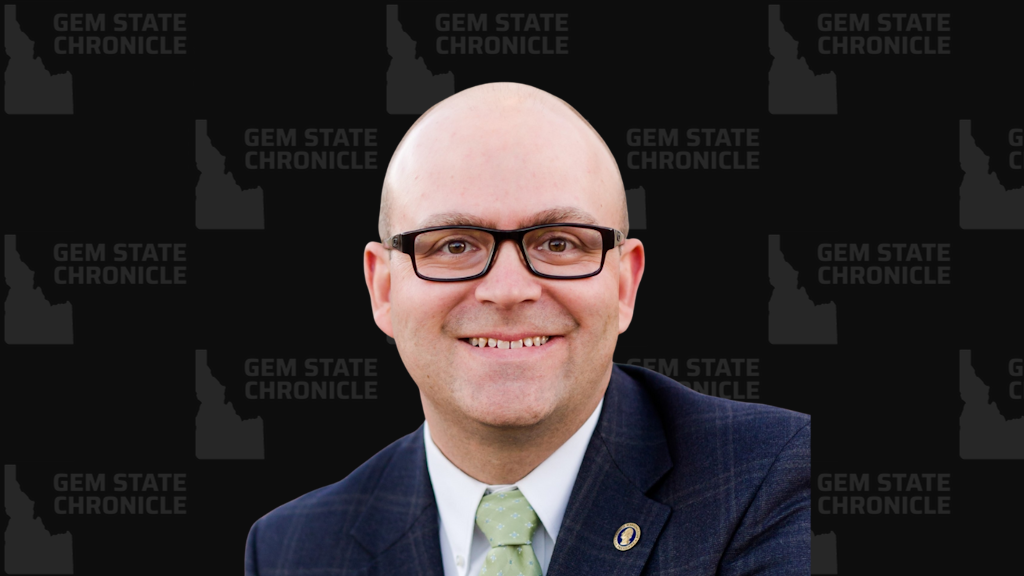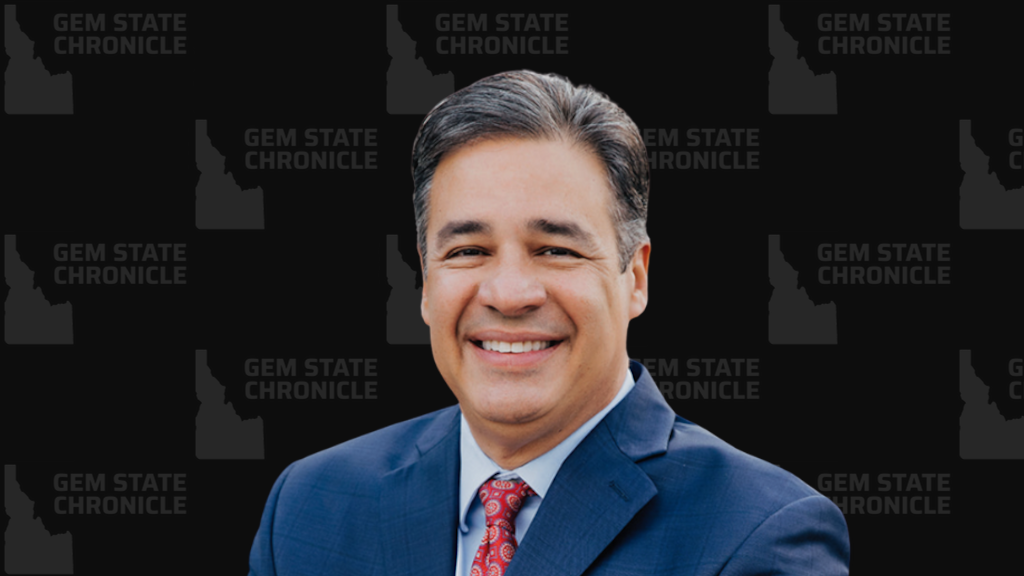
By Attorney General Raúl Labrador
Dear Friends,
Idaho recently joined a 23-state coalition in an amicus brief in support of firearm manufacturers facing lawsuits from Buffalo and Rochester, New York. These cities are attempting to hold Smith & Wesson, Glock, Ruger, and Taurus financially liable for crimes committed by third parties using lawfully manufactured and sold firearms.
We joined because law-abiding citizens across Idaho and our law enforcement officers purchase firearms from these manufacturers. If these lawsuits drive these companies out of business, it makes it harder for law abiding Idahoans to legally purchase firearms they have the right to own to protect their families and communities.
Congress addressed this problem in 2005 with the Protection of Lawful Commerce in Arms Act (PLCAA), which prohibits exactly these kinds of lawsuits. Before the PLCAA, anti-gun advocates coordinated a wave of municipal litigation in the 1990s and early 2000s designed to bankrupt firearms manufacturers through legal fees. Then HUD Secretary Andrew Cuomo warned manufacturers that those who did not comply would suffer death by a thousand cuts, and that strategy worked. By early 2005, the firearms industry had spent over $200 million defending against lawsuits, with some manufacturers closing and others losing insurance coverage.
Congress has constitutional authority to decide policies around firearms, not federal judges through litigation. For decades, Congress debated how to balance Second Amendment rights with public safety concerns. Some of those debates produced overreaching regulations that threatened constitutional rights. Others produced more measured approaches. Regardless of whether any particular regulation was justified, or an infringement, those debates happened where the Constitution places them in the legislature, not the courthouse.
The PLCAA prohibits lawsuits against firearms manufacturers, distributors, dealers, and trade associations for damages resulting from criminal misuse of lawfully sold products by third parties. Congress found that allowing courts to bypass the legislative process and impose liability on lawful manufacturers would violate separation of powers and threaten state sovereignty. Buffalo and Rochester are attempting to do just that.
Their lawsuits claim manufacturers violated New York’s statute requiring reasonable controls to prevent criminal misuse after lawful sale. They seek monetary damages and court supervision of manufacturing practices. Congress specifically prohibited this approach because it allows judges and municipalities to impose regulations the legislature rejected.
At the same time, both cities have adopted policies that undermine public safety. New York enacted bail reform in 2019 that requires many accused violent offenders to be released without consideration of whether they pose a public safety threat. Buffalo and Rochester are also sanctuary cities that forbid local police from cooperating with federal immigration enforcement. The Department of Homeland Security reports that New York’s refusal to honor ICE detainers resulted in the release of at least 6,947 criminal illegal aliens in 2025 alone. These cities release violent criminals onto their streets while simultaneously trying to shift blame and sue the companies that build firearms that law-abiding Americans and law enforcement use across the nation.
The Second Amendment protects the right to keep and bear arms. That right is eroded if manufacturers can be bankrupted through lawsuits over crimes they did not commit. Congress recognized this twenty years ago and established a clear rule. Idaho will continue defending the Second Amendment across our nation, because when constitutional rights are eroded in one state, that can easily spread beyond its borders into ours.
Best regards,


About Raúl Labrador
Raúl Labrador is the 33rd Attorney General of Idaho. The Office of the Attorney General provides legal representation for the State of Idaho. This representation is furnished to state agencies, offices and boards in the furtherance of the state's legal interests. The office is part of state government’s executive branch and its duties are laid out in the Idaho Constitution.