For Immediate Release
December 3, 2025
Media Contact: Damon Sidur
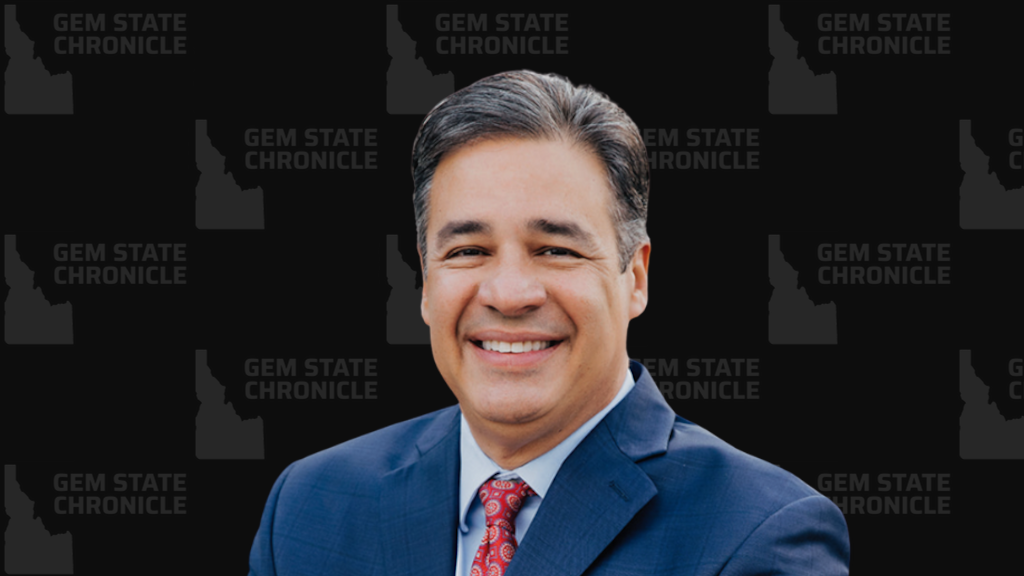
BOISE, ID — Today, Attorney General Raúl Labrador announced Phase 2 of Operation Robocall Roundup, expanding the crackdown on illegal robocalls to include four of the largest voice providers in the country. As part of an ongoing investigation, the bipartisan Anti-Robocall Multistate Litigation Task Force has directed Inteliquent, Bandwidth, Lumen, and Peerless to stop transmitting suspected illegal robocalls across their networks.
“Idahoans are frustrated with scammers swindling families by pretending to be the IRS, Social Security, or any other legitimate entity,” said Attorney General Labrador. “My Consumer Protection Division works hard to educate people on how to avoid scams, but we need to hold telecom providers accountable for allowing that illegal traffic.”
In August, Attorney General Labrador sent warning letters to 37 smaller voice providers that were allowing suspected illegal robocalls onto the U.S. telephone network. This next phase targets companies with far larger footprints in the U.S. telecom ecosystem. The four companies are continuing to transmit hundreds of thousands – and in some cases, millions – of suspected illegal robocalls.
Scope of Suspected Illegal Robocall Activity
| Provider | Total Traceback Notices (since 2019) | Estimated Amazon/Apple Imposter Robocalls (3-year period) | Estimated SSA/IRS Imposter Robocalls (3–4-year period) |
|---|---|---|---|
| Inteliquent | 9,712 | 450 million | 1.425 billion |
| Bandwidth | 3,060 | 162.7 million | 301 million |
| Peerless | 5,662 | 210.7 million | 585.3 million |
| Lumen | 7,265 | 261.5 million | 886.2 million |
The above chart shows the scale of suspected illegal robocall activity linked to each company. The first column reflects how many traceback notices each company has received since 2019. A traceback notice is an official alert from industry investigators indicating that a company transmitted a call tied to a suspected illegal robocall campaign. The next two columns estimate the major scam categories – such as fake Amazon, Apple, Social Security, or IRS calls – that moved through each company’s network. Together, the data shows both the specific types of scams these companies helped transmit and the staggering volume of robocalls flowing across their systems.
As larger providers, these companies have a heightened responsibility to decline call traffic from known and repeat bad actors. Despite extensive industry traceback notices and years of documented warnings, these four providers continue to route suspected illegal robocalls onto the network and into American homes.
Phase 1 Has Already Delivered Results
After sending warning letters to 37 companies, the Task Force saw rapid, measurable changes:
- 13 companies were removed from the FCC’s Robocall Mitigation Database, meaning no provider in the United States may accept their call traffic.
- 19 companies stopped appearing in any traceback results, indicating they ceased routing suspected illegal robocalls.
- At least four providers terminated high-risk customer accounts identified as transmitting illegal traffic.
“The sheer volume of these scam calls and texts are staggering and shows that telecom fraud is big business. Our efforts are working, but I won’t stop fighting for the people – often seniors – who get exploited,” said Attorney General Labrador.
In 2022, 51 attorneys general joined forces to create the Anti-Robocall Litigation Task Force, which is led by North Carolina Attorney General Jeff Jackson, Indiana Attorney General Todd Rokita, and Ohio Attorney General Dave Yost. The Task Force investigates and takes legal action against companies responsible for significant volumes of illegal and fraudulent robocall traffic routed into and across the United States.
Read the letters:
Bandwidth
Inteliquent
Peerless
Lumen
About Raúl Labrador
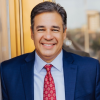
Raúl Labrador is the 33rd Attorney General of Idaho. The Office of the Attorney General provides legal representation for the State of Idaho. This representation is furnished to state agencies, offices and boards in the furtherance of the state's legal interests. The office is part of state government’s executive branch and its duties are laid out in the Idaho Constitution.