FOR IMMEDIATE RELEASE
October 1, 2026
CONTACT:
Kyra Smith (Crapo)
Emily Zahnle-Hostetler (Wyden)
Madison Hardy (Risch)
Justin Krakoff (Merkley)
Bipartisan legislation would provide critical funding for rural counties
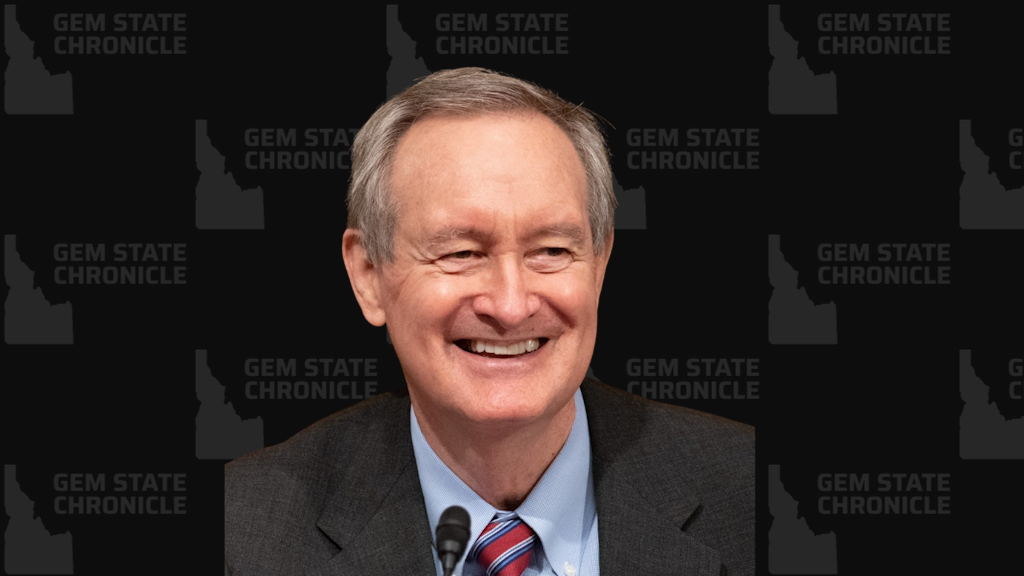
Washington, D.C.—U.S. Senators Mike Crapo (R-Idaho), Ron Wyden (D-Oregon), Jim Risch (R-Idaho) and Jeff Merkley (D-Oregon) introduced bipartisan legislation to reauthorize the Secure Rural Schools and Community Self-Determination Act program (SRS) for three years, providing continued support for rural schools and counties home to nontaxable federal land to fund education, road maintenance and other essential services.
“Counties across Idaho should not have to repeatedly face uncertainty about whether the federal government will uphold its responsibility to communities containing vast amounts of tax-exempt federal land,” said Crapo. “Without action, rural schools and counties will lose resources they rely on to maintain roads, support schools and provide basic services. This three-year reauthorization provides needed stability, but we must continue working toward a permanent solution that gives these communities the predictability they need to effectively plan and budget for the future.”
“Secure Rural Schools is a lifeline for rural Oregon,” said Wyden. “I’ll be working as hard as I can to get this bill across the finish line, but the well-being of rural America shouldn’t be dependent on Congress getting its act together to renew this funding every few years. It’s past time to get rural communities off the financial rollercoaster and deliver a permanent funding solution.”
“Secure Rural Schools funding is a commitment the federal government made to Idaho’s rural counties, helping them maintain roads, schools and other essential services,” said Risch. “As we work to restore the timber revenues that have long sustained these communities, Congress must honor that commitment and reauthorize SRS.”
“The SRS program provides crucial payments that are a lifeline for rural communities here in Oregon and across America—keeping schools open, maintaining roads, restoring watersheds, and providing funding for police officers and firefighters to keep families safe,” said Merkley. “A three-year extension of the program is critical to ensuring the federal government upholds its promise to our communities and that local governments can reliably access these important resources.”
“More than 700 counties across the country depend on the Secure Rural Schools program. Counties applaud Senators Crapo, Wyden, Risch and Merkley for leading this bipartisan legislation that will keep schools operating, roads and bridges maintained and public safety services funded in rural communities. SRS was reauthorized already once this Congress with overwhelming, bipartisan support. Now that it has lapsed again, Congress must act quickly to preserve SRS for rural counties across the country by passing this bipartisan legislation, so counties and communities have fiscal certainty.” – Matthew Chase, Executive Director, National Association of Counties (NACo)
“Secure Rural Schools funding is vital to Idaho counties, supporting the maintenance of county roads and bridges, search and rescue services on federal lands, and K-12 education. As this critical funding nears expiration, we urge Congress to reauthorize the program for an additional three years to ensure counties can continue to meet these essential obligations. We thank Senator Crapo and his team for their continued efforts to raise awareness of this program’s importance to Idaho communities.” – Seth Grigg, Executive Director, Idaho Association of Counties
“Idaho’s rural schools shouldn’t be disadvantaged simply because so much of the land surrounding their communities is federally owned. Secure Rural Schools recognizes that reality and provides critical resources that help rural communities support their students. I applaud Senator Crapo’s commitment to providing Idaho’s rural communities greater stability through this essential funding while honoring the local control that allows communities to determine how best to serve their students.” – Debbie Critchfield, Idaho Superintendent of Public Instruction
Background
Congress created SRS in 2000 to provide financial assistance to counties with federally owned forestlands that are exempt from collecting local property taxes. Historically, rural counties received a share of receipts generated from timber harvests on federal lands. As timber harvests and associated revenues declined, SRS was established to provide predictable resources for counties and school districts that had historically relied on those receipts.
Crapo, Wyden, Risch and Merkley have worked together for years to maintain the program and provide greater certainty for rural communities. Most recently, the Senators led bipartisan legislation reauthorizing SRS through Fiscal Year 2026 and restoring lapsed payments for Fiscal Years 2024 and 2025. That legislation was signed into law in December 2025. Without further congressional action, the program will again expire after Fiscal Year 2026.
The U.S. Forest Service and U.S. Bureau of Land Management administer SRS payments. Funding is distributed using a formula that takes into account historic timber receipts, economic activity and other factors that vary by county. Depending on the payment title and eligible lands, SRS funding supports schools and roads, projects benefiting federal lands and specified county services such as emergency response and wildfire preparedness.
In Idaho, 34 of the state’s 44 counties received SRS payments in 2023. Under Idaho law, 30 percent of SRS funding is directed to schools, while the remaining 70 percent supports roads, bridges and other infrastructure projects.
The Gem State Chronicle delivers daily analysis, op-eds, press releases, and Idaho Insider updates — free to your inbox.
Free newsletter · Unsubscribe anytime · View on Substack

About Mike Crapo
Senator Mike Crapo has represented Idaho in the Senate since 1999, following three terms in the U.S. House and eight years in the Idaho State Senate. A lifelong Idahoan, he currently serves as Chairman of the Senate Finance Committee.