FOR IMMEDIATE RELEASE
July 24, 2026
CONTACT:
Kyra Smith (Crapo)
Says CAFE standards have exceeded congressional intent, imposed costly, unnecessary mandates
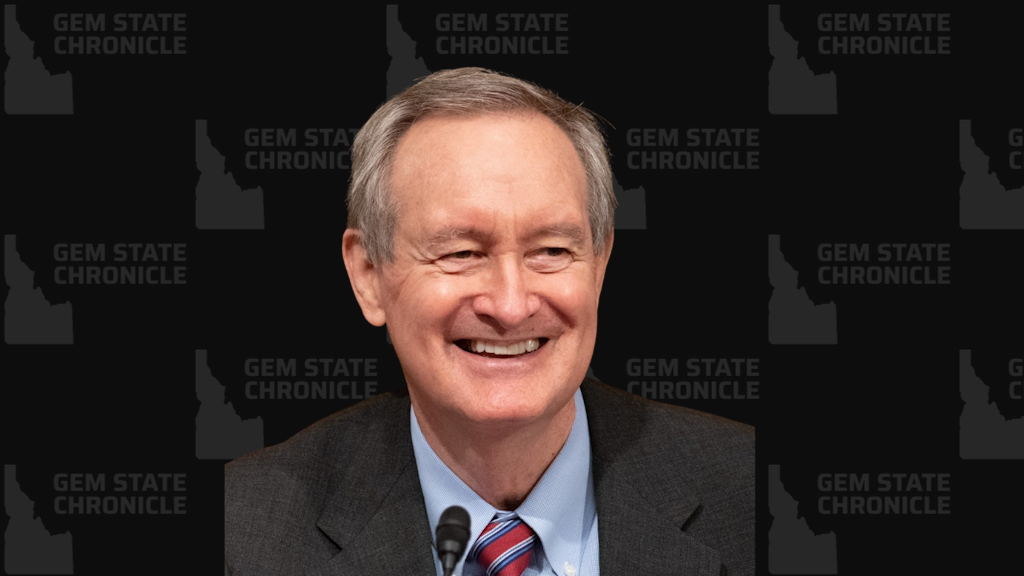
Washington, D.C.–U.S. Senator Mike Crapo (R-Idaho) and five Senate colleagues introduced the Restoring Affordability in Automobile Manufacturing (RAAM) Act, which would eliminate Corporate Average Fuel Economy (CAFE) standards. These regulations have gradually increased sticker prices for new motor vehicles and laid the statutory groundwork for mandating the types of cars available to consumers. Most recently, the Biden Administration used CAFE to impose unrealistic fuel economy targets—which would require automakers to more than double average fleet-wide fuel economy in less than 10 years—for conventional gasoline and diesel vehicles, effectively turning the program into a backdoor electric vehicle mandate.
As part of the Working Families Tax Cuts, congressional Republicans eliminated civil monetary penalties for noncompliance with CAFE standards. Building on that progress, the Trump Administration reversed the Biden-era standards through executive order in 2025. However, the underlying statute remains in place, leaving the door open for a future administration to reestablish the Biden regulations or impose even stricter standards.
“The Biden-era CAFE standards turned an energy-security program into a de facto electric vehicle mandate, beyond Congress’s original intent to improve fuel economy and strengthen our nation’s energy security,” said Crapo. “Today’s CAFE standards distort the automobile market, saddle manufacturers with costly compliance requirements that drive up vehicle costs for hardworking families and do little to shield Americans from the volatility of global oil markets. The RAAM Act would repeal the costly, outdated CAFE program and put consumers—not federal regulators—back in the driver’s seat when it comes to vehicle choice.”
U.S. Senators Jim Risch (R-Idaho), Rick Scott (R-Florida), Cindy Hyde-Smith (R-Mississippi), Pete Ricketts (R-Nebraska) and Alan Armstrong (R-Oklahoma) joined Crapo in introducing the bill.
“From its earliest days, America’s automotive industry was a powerhouse of innovation and inspiration,” said Scott. “It not only redefined travel and commerce, it helped craft the American spirit and identity of the 20th century. But like so many other great things in American life, big government got in the way. Decades of overbearing regulations left us with cars that are ugly, underpowered, and undesirable. Repealing CAFE standards will give America the chance to make our cars great again by letting automakers design cars Americans, and consumers across the world, want to buy.”
“Affordability is at the top of minds for Nebraskans,” said Ricketts. “Biden-era fuel regulations impose unfair fuel standards that limit consumer choice and drive-up costs. Last year, Republicans passed the Working Families Tax Cuts Act, which zeroed out these penalties. To prevent future administrations from raising penalties again, I support permanently repealing the Federal Corporate Average Fuel Economy (CAFE) standards. Nebraskans will have more control over the vehicles they purchase, and farmers will no longer have to pay the costs of burdensome regulations. I support the RAAM Act to unleash American energy dominance, lower costs for consumers, and support our agriculture community.”
“Senator Crapo has consistently been a leader in the fight for affordability in the automobile marketplace,” said Brent Gardner, Americans for Prosperity Chief Government Affairs Officer. “The RAAM Act is one more step to finish the work done under the Working Families Tax Cuts Act to ensure consumer choice remains the top driving factor for vehicle purchases.”
The legislation is also supported by the American Petroleum Institute.
Background:
Congress enacted the CAFE program in 1975 following the OPEC oil embargo to reduce petroleum consumption, improve fuel economy and strengthen the nation’s energy security. While CAFE standards have marginally reduced fuel consumption and lowered gasoline expenditures for many drivers, they have not meaningfully insulated American consumers from volatility in global oil markets. The national-security rationale underlying CAFE has diminished as the United States has dramatically increased domestic oil production and reduced its reliance on imported petroleum.
In recent years, CAFE has increasingly been used as a tool to advance costly climate policy beyond its original focus on energy conservation and fuel security. The proposed Biden-era CAFE standard would have dramatically raised costs, restricted consumer choice, harmed U.S. businesses and handed the keys of our automotive industry over to adversaries like China.
Moreover, CAFE standards have distorted the automobile market by encouraging manufacturers to design vehicles to satisfy federal regulatory requirements rather than consumer demand, while increasing compliance costs ultimately passed on to consumers through higher vehicle prices.
The RAAM Act would eliminate CAFE standards effective model year 2029. Bill text is available here.
In January 2024, Senator Crapo led a bicameral group of 120 Members of Congress in urging the National Highway Traffic Safety Administration to withdraw the proposed CAFE rule.
The Gem State Chronicle delivers daily analysis, op-eds, press releases, and Idaho Insider updates — free to your inbox.
Free newsletter · Unsubscribe anytime · View on Substack

About Mike Crapo
Senator Mike Crapo has represented Idaho in the Senate since 1999, following three terms in the U.S. House and eight years in the Idaho State Senate. A lifelong Idahoan, he currently serves as Chairman of the Senate Finance Committee.