By Congressman Mike Simpson | Originally published in the Idaho State Journal
Whether it’s public lands or designated wilderness areas, the people of Idaho value recreation and have proven to be responsible stewards for generations.
As a lifelong Idahoan and Chairman of the House Interior and Environment Appropriations Subcommittee, I have worked long and hard to protect Idahoans’ way of life by preserving access to Idaho’s public lands and ensuring wilderness status provides the strongest possible protections for these lands.
Public lands and wilderness areas serve as places for all Americans to enjoy activities such as hiking, fishing, hunting, and camping. These recreational hobbies transcend political affiliations.
Unfortunately, that hasn’t been the case, given the predictable outrage from groups like the left-wing Wilderness Watch following the recent United States Forest Service decision to authorize limited, temporary use of gas-powered chainsaws by licensed outfitters in portions of the Frank Church-River of No Return Wilderness.
They condemn “secret negotiations,” violations of the Wilderness Act, and the horrors of commercial interests wielding tools in our “pristine” backcountry.
These groups have missed the point entirely. The Forest Service decided to restore public access in the face of extraordinary trail devastation, fully consistent with the law’s allowance for the “minimum tool” necessary to administer wilderness areas.
Those who have visited understand that the Frank Church-River of No Return is vast, covering over 2.3 million acres, and faces real challenges.
In fact, one of the biggest concerns I hear from Idahoans is how we can better maintain trails.
Idaho is no stranger to wildfire, insect infestations, and even wind blowdown, leaving some trails buried under hundreds of downed trees per mile.
The Idaho Outfitters and Guides Association highlighted an estimated 500-700 trees per mile on key routes, rendering them impassable for many users.
Crosscut saws are slow, labor-intensive, and often inadequate for the scale of the problem in rugged terrain. Volunteers and agency crews have used them for years, but when blowdown reaches “extraordinary levels,” efficiency matters for safety and access.
The Wilderness Act of 1964 is not an absolute ban on all tools. Section 4(c) explicitly allows motorized equipment when it is the “minimum requirement” for administering the area to preserve its wilderness character, including maintaining recreational trails.
The Forest Service conducted a Minimum Requirements Analysis, approved use only on 61 specific high-priority trails (about 542 miles, half the area in one forest), limited it to January through August for three years, and restricted it to authorized outfitters.
Unlike what these left-wing groups are saying, this is not a “chainsaw massacre.” It’s a necessary response to keep trails open, all within the law requirements.
There are criticisms of the lack of public comment and NEPA review. Still, administrative decisions for trail maintenance under established exceptions don’t always trigger full environmental impact statements, especially for temporary actions.
And the claims of “backroom deals with commercial interests” ignore that outfitters and guides are the backbone of responsible public access to these areas.
They bring a broad range of groups, such as hunters, rafters, hikers, and anglers, who support local economies and have a vested interest in better management. Blocking efficient trail clearing doesn’t protect wilderness. Instead, it locks it away while discouraging stewardship.
Volunteer groups like the Selway Bitterroot Frank Church Foundation do great work with crosscuts, but they can’t scale to address massive blowdown alone. Multiple tools, such as gas-powered chainsaws, are needed.
Temporary chainsaw use, followed by natural decay and regrowth, has a negligible long-term impact compared to closed trails or unsafe conditions that drive recreationists elsewhere.
Idahoans know and love our public lands, and deserve managed public lands that serve both conservation and recreation.
The Forest Service got this one right, and future generations will benefit because our beloved public lands and wilderness areas are preserved.
The Gem State Chronicle delivers daily analysis, op-eds, press releases, and Idaho Insider updates — free to your inbox.
Free newsletter · Unsubscribe anytime · View on Substack

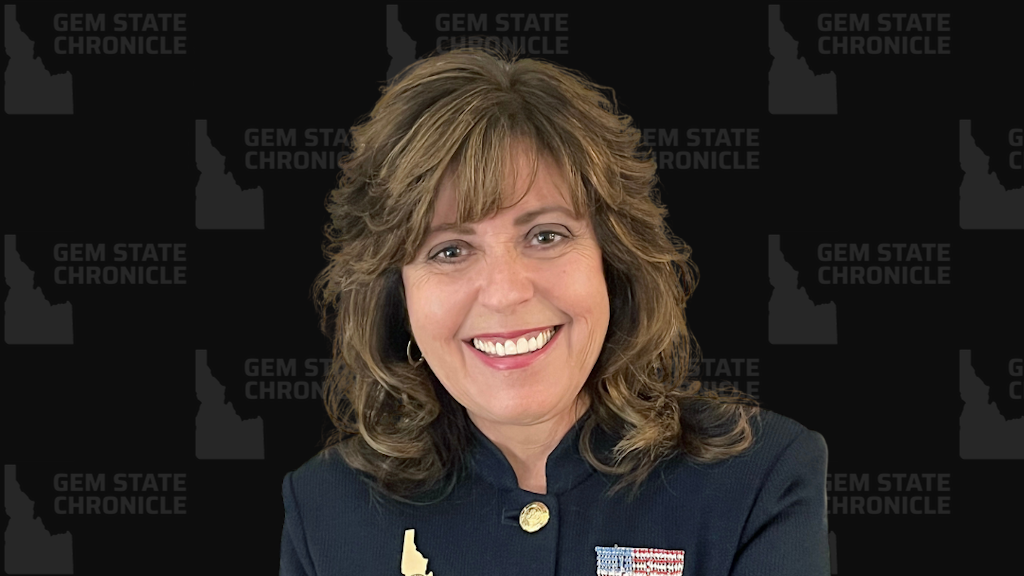
About Mike Simpson
An Idaho native, Mike Simpson was born in Burley and raised in Blackfoot. His political career began in 1980, when he was elected to the Blackfoot City Council. In 1984, he was elected to the Idaho Legislature where he served until 1998, the last six years serving as Speaker. Mike is currently serving his fourteenth term in the House of Representatives for Idaho’s second congressional district. Visit https://simpson.house.gov/ to learn more or find contact info.