By Scott Herndon
After a couple of years’ worth of income tax cuts, and after adopting beneficial tax changes in President Trump’s Big Beautiful Bill for Idaho workers on their state income tax returns, the Idaho legislature is planning for decreased tax revenues going forward.
This is also significantly impacted by a current soft spot in the national and state economies faced with economic headwinds like continuing inflation, tariff impacts and diminished consumer spending.
Since we don’t have the luxury of printing more money (like the Federal reserve), Idaho must actually maintain a balanced budget at the state level.
The budget committee, called JFAC, voted 14-6 to cut the state budget by 1% for the remainder of the current fiscal year which ends June 30. That amounts to a $131 million reduction in spending. They then voted 13-7 to cut the state budget by 2% from fiscal year 2027 that starts this July 1. That cuts $143 million in state spending. In addition, they are adopting a 3% budget cut proposed for state agencies by the governor.
Most state agencies will be faced with total cuts equaling 5%. K-12 public education, the Idaho State Police and the Idaho Department of Correction will not be touched by the additional 1% and 2% cuts approved by JFAC.
Keep in mind though that these modest cuts come after state spending has still grown 60% in the last 6 years, and there is much more work to be done on the budgets for the remaining 2 months of this legislative session. Some of the cuts could be added back, and cuts could become more targeted, rather than across the board.
Having to reduce spending is an opportunity in which the legislature should really look for waste, inefficiencies and unnecessary government programs that are outside of the core mission of what we want our state’s government to accomplish.
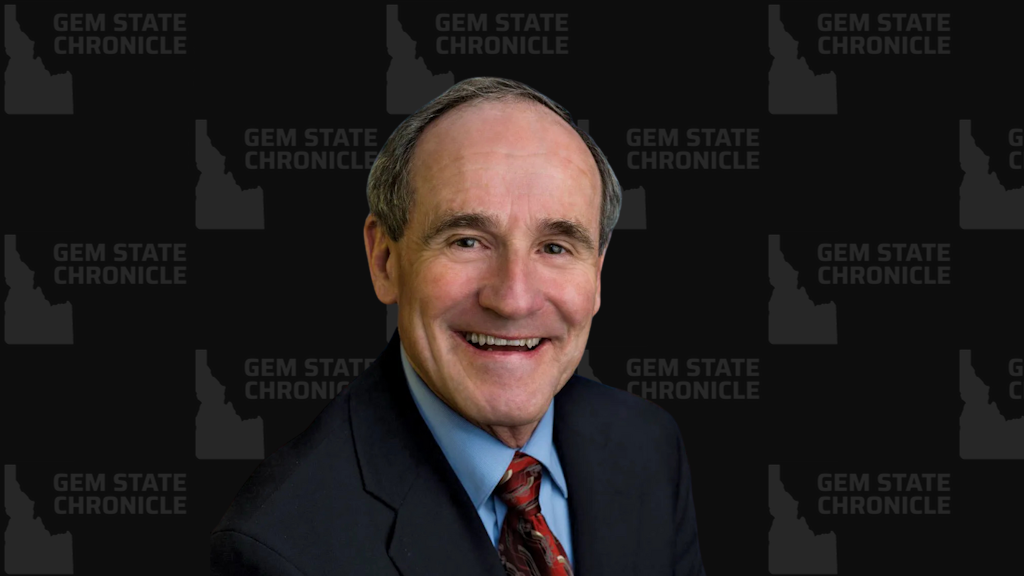
These budget cuts were almost along party lines, with Democrats on JFAC all opposing the cuts and calling for the reversal of previous years’ income tax rate cuts, while Republican Jim Woodward voted with the Democrats against the 2% cuts (which, again, can still be adjusted over the next two months).
Woodward stated, “If you are frustrated with traffic now, it is only going to get worse with the decisions we are making.” I assume Mr. Woodward is saying that we will not be able to afford to build more lanes and better highways.
That is an overbroad and inaccurate generalization. Idaho has 180 agencies, departments, boards and commissions that are funded through the state. Amongst all of those, Medicaid and public education are the two largest budgets by far. There are likely hundreds of millions of dollars available if we would re-structure HOW we spend money and HOW we raise the money to spend.
One example from last year that is expected to yield an increase in funding available for other programs is House Bill 345 to move Medicaid from a “fee-for-service” model to a managed care model starting in 2026. This shifts management to private companies to better control costs and eliminate inefficiencies. This has the potential to free up Medicaid funds for other budgets.
If you enjoy the four-lane divided Highway 95 in Kootenai County north and south of Coeur d’Alene, much of that was constructed using GARVEE bonds. Since transportation projects of that magnitude are so expensive (tens to hundreds of $millions), Idaho never really pays for those as line items in its annual budget.
Rather, Idaho uses Grant Anticipation Revenue Vehicle (GARVEE) bonds to borrow against future federal highway funds. This allows the state to accelerate major projects that would otherwise take decades to fund. Another way that Idaho is increasingly funding highway projects is through TECM funds.
The Transportation Expansion and Congestion Mitigation (TECM) fund receives at least $100million annually from sales tax to support bonding for high-priority projects. So, like GARVEE, this is a way that Idaho leverages the issuance of debt to pay for massive construction projects that would otherwise take decades to fund from annual revenues. With just this $80 million annual allocation of sales taxes to TECM, Idaho will fund $1.6 billion of road construction.
Idaho has the ability and capacity to fund major infrastructure projects, but it takes planning, and unless we don’t want to see significantly increased tax rates, which will hurt affordability for all of us, then it takes all of us to demand less of government in the non-essential services that it continues to pay for.
I still do not know of a single government program created in the last many decades that the government has eliminated. That cannot go on forever while we continue to expect long-enjoyed essential services like road maintenance and construction.
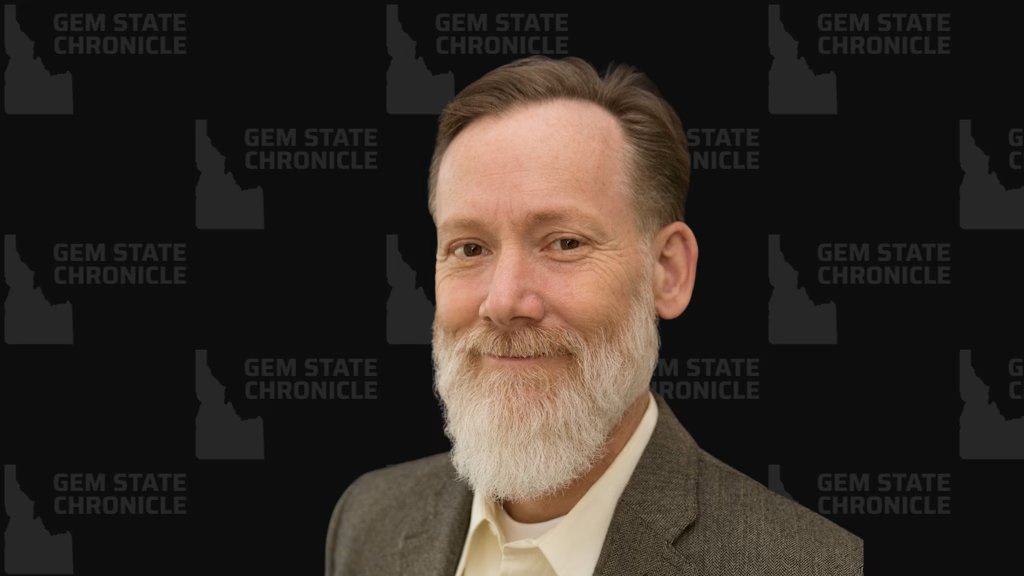
Editor’s note: Scott Herndon is challenging Sen. Jim Woodward in the May 2026 GOP primary.

About Scott Herndon
Scott Herndon is a Bonner County small business owner and former Idaho state senator known for his conservative legislative record and long involvement in local community and party leadership.